
A new school. A fluttery tummy. And one little fox discovering that courage doesn’t have to be loud.
It’s Oliver’s very first day at Woodland Academy, and everything feels new.
With his spectacles on, his backpack ready and his special Pocket Moon close by, Oliver sets off with Mama, Papa—and his tiny mouse friend Pip—for the biggest adventure of his young life.
But being brave doesn’t mean Oliver has to stop feeling nervous.
Sometimes courage is simply taking the next small step.
Reading Age: 3-8 years
Print length: 48 pages
Series: Book 1 of 7
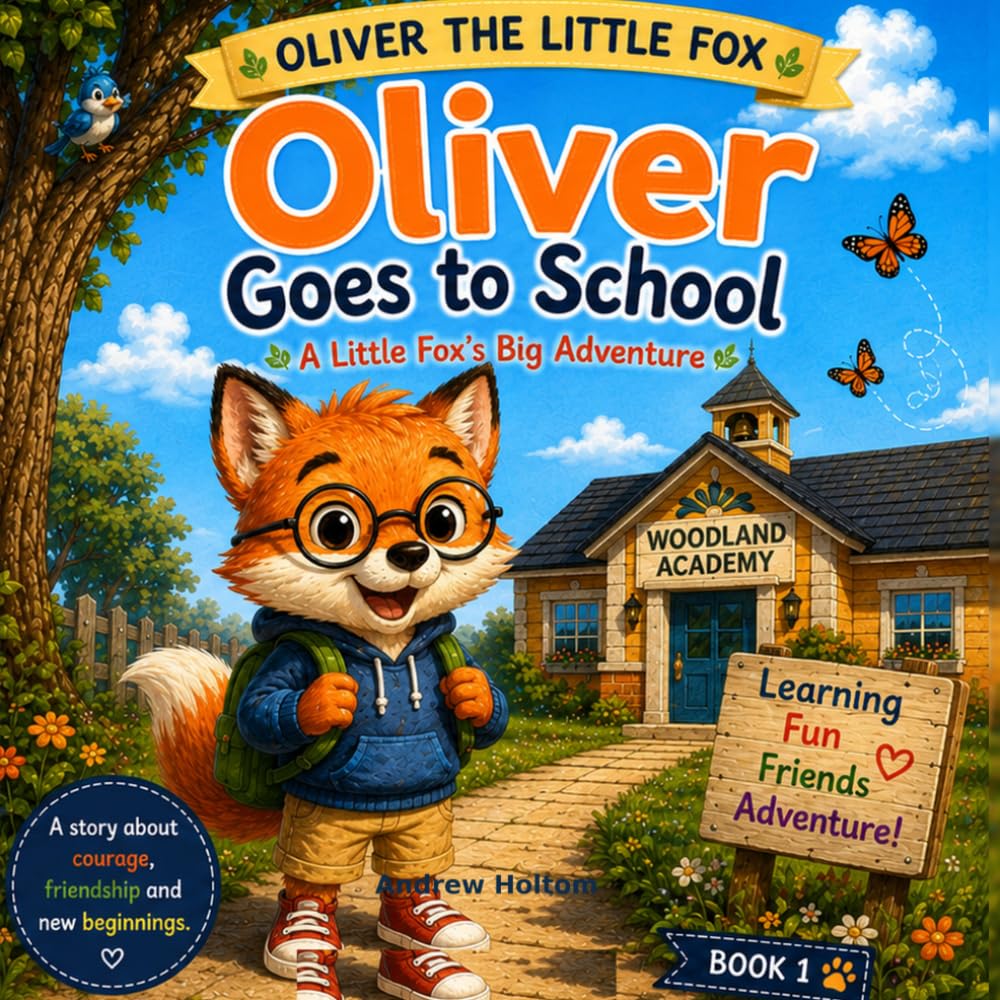
Inside Woodland Academy, Oliver discovers a kind teacher, colourful crayons, autumn leaves, unexpected laughter and, most importantly, a new friend who makes room beside him.
Oliver Goes to School is a warm, beautifully illustrated story about starting school, friendship, belonging and quiet courage—perfect for children facing a new beginning of their own.
A reassuring read-aloud for little ones who sometimes need reminding that they don’t have to change who they are to be brave.
My Review
Such a lovely book with the most beautiful illustrations. It’s all about a little fox called Oliver and his first – scary – day at The Woodland Academy.
Except it’s not really scary. Everyone is welcoming and friendly and Oliver has his Pocket Moon with him, to remind him of his family if he gets homesick.
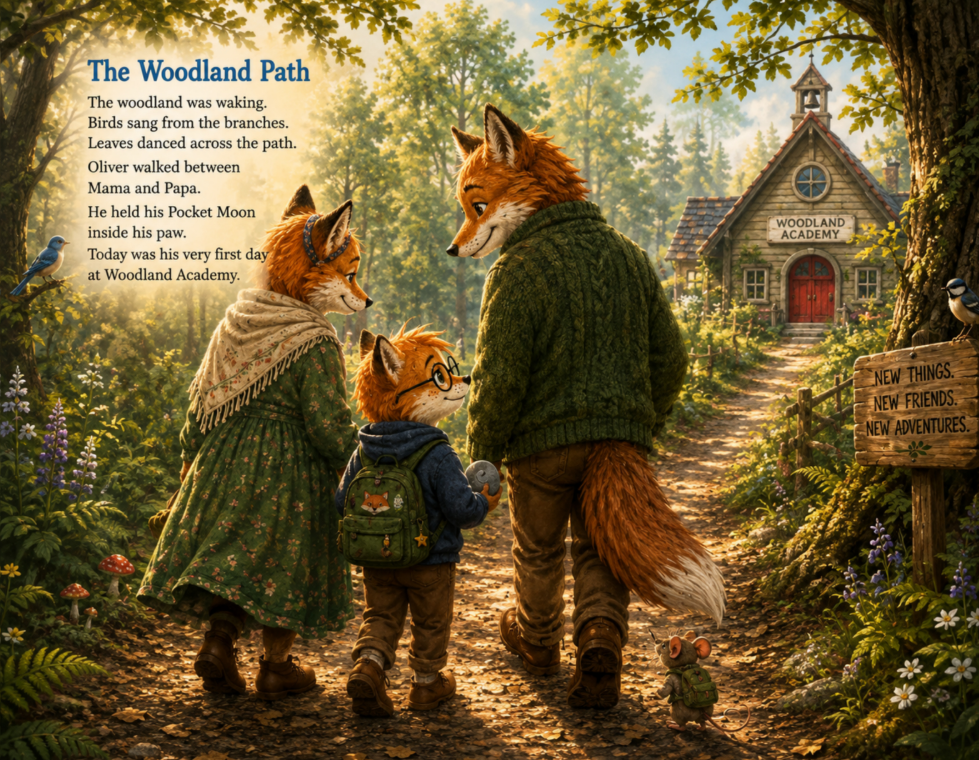
Oliver’s Mama and Papa walk him to school with Pip the mouse. The classroom is warm and bright, and Mrs Willow gives him the biggest smile and a warm welcome.
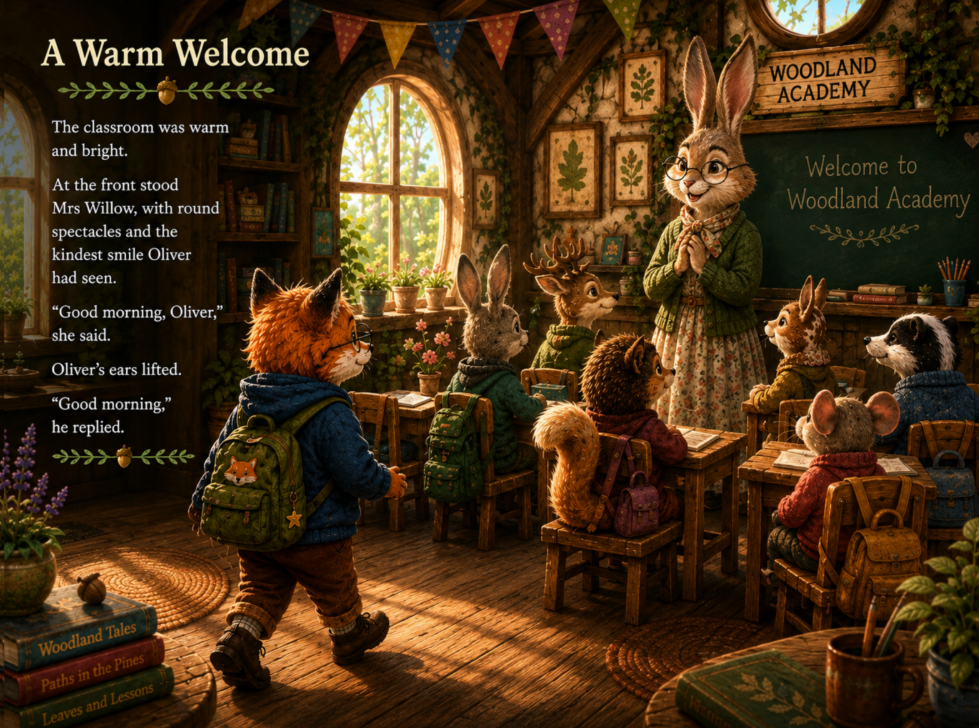
”Good morning Oliver,’ she says.
‘Good morning,’ he replies.
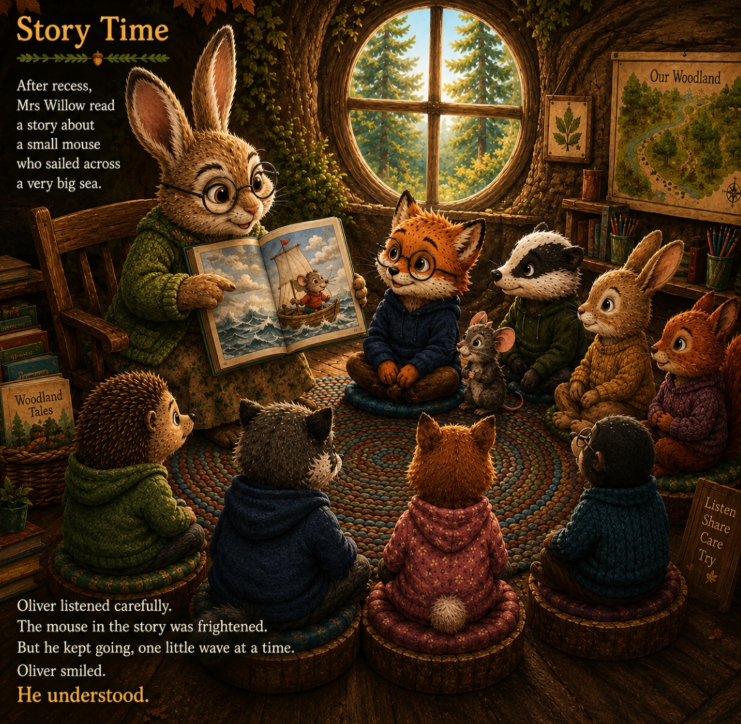
Don’t you love the picture below of the children sitting in a circle while Mrs Willow reads them a story about a small mouse who sailed across a very big sea. The mouse was frightened, but he kept going. Oliver immediately understands how the mouse felt.
When school finishes, Oliver is excited to see his parents and tell them what a fantastic day he has had. He’s made a new friend and painted a picture.
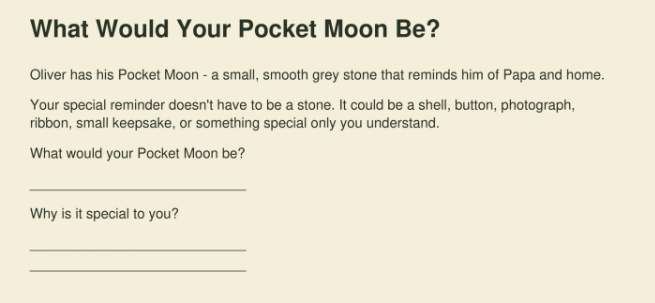
Then at the end of the book there are questions for discussion like what would your Pocket Moon be and room to add drawings of your own. I think mine would be the tiny guardian angel my friend gave me for my birthday last year. How about yours? Ask your child what theirs would be. Would it help to take it to school with them – always check with the school that it’s OK.
Oliver Goes To School is the first book in the A Little Fox’s Big Adventure. Little Fox Studios creates stories about being nervous. Gentle stories to help children overcome their worries. Stories with warmth, kindness, friendship and heart. And right now in this uncertain world, children need reassurance that they are loved more than ever.
Many thanks to the author for gifting me a review copy of #OliverGoesToSchool.
About the Author
Andrew Holtom is a British author living on Spain’s beautiful Costa Blanca and the creator of the Oliver the Little Fox children’s-book series.
After a successful career in business, Andrew turned his attention to writing, bringing his lifelong interest in storytelling, personal development and the importance of kindness to a new generation of readers.
His Oliver the Little Fox series follows a thoughtful, sensitive young fox as he navigates the everyday challenges of growing up, making friends, finding confidence and learning from mistakes.
Through Oliver’s gentle woodland adventures, Andrew hopes to encourage children to understand their feelings, celebrate their individuality and discover that courage doesn’t always have to be loud.
His guiding message is simple: quiet, kind and thoughtful children can be heroes too.

Book links
www.goodreads.com
www.amazon.co.uk
It’s never too late for a fresh start – whether you’re on two legs or four…
When burnt-out city vet Leona Lennox moves to the market town of Fiddlers Green determined to set up a dog rescue centre, recently divorced Desmond Leaks takes an instant shine to her and makes a rash promise to get his college band back together for some fundraising gigs.
Although The Wild Boys haven’t played together in years, Desmond and his best friend Johnny have no trouble persuading their old drummer to reform as The Stray Dogs. But charismatic frontman Darcus McGuire, the magic ingredient in the original line-up, is harder to track down, and Desmond is strangely reluctant to try.
After a disastrous first gig and objections by the neighbours, the future of the rescue centre looks ever more uncertain. But the residents of Fiddlers Green are not to be underestimated, particularly when the fates of their four-legged friends are at stake.
And meanwhile, the elusive Darcus McGuire might just be ready to make a comeback…
Lost dogs and lost people alike find new beginnings and unexpected routes to happiness in this gorgeously uplifting story filled with Ruth Hogan’s trademark wit and warmth.
My Review
I’ve read (or listened to) all of Ruth’s books, a couple of them twice. But nothing could have prepared me for The Stray Dogs. Because I am a dog lover – I have a two-year-old Jack Russell called Patch who would give Margot and Jerry a run for their money any day in the naughty stakes – and I’m a sucker for a tale (or tail) of furry friendship.
And there are plenty of furry – and feathered – friends in The Stray Dogs. It’s actually the name of the band that reforms after twenty or more years, having evolved from the original The Wild Boys. Now in their fifties, Desmond, Johnny, Joe and the elusive Darcus are no longer boys, or even wild.
Fleeing the pressures of city life, Leona Lennox moves to the market town of Fiddlers Green, where she intends to set up a dog rescue centre. But everything seems to be working against her. There’s the horrible neighbour Mimi Gobshite, the lack of funds, and an angry client from her last day at the vets. Can The Stray Dogs raise enough money from their gigs to keep the centre going?
But because this is Ruth Hogan, life in Fiddlers Green (in the words of Meera Syal) isn’t all Ha Ha Hee Hee. We also follow a dog called simply Dog, whose life so far has been tragic and cruel. Can Dog still find hope and the will to survive? And is romance in the air for Leo?
I loved this so much, as did a fellow book club member, that we are going to change our December read from Robert Harris to The Stray Dogs.
About the Author
From Ruth herself: ‘I was born in the house where my parents still live in Bedford: my sister was so pleased to have a sibling that she threw a thrupenny bit at me. As a child I read everything I could lay my hands on: The Moomintrolls, A Hundred Million Francs, The Lion, The Witch and The Wardrobe, the back of cereal packets and gravestones. I was mad about dogs and horses, but didn’t like daddy-long-legs or sugar in my tea.
‘I studied English and Drama at Goldsmiths College which was brilliant, but then I came home and got a ‘proper’ job. I worked for ten years in a senior local government position (I was definitely a square peg in a round hole, but it paid the bills and mortgage) before a car accident left me unable to work full-time and convinced me to start writing seriously. It was going well, but then in 2012 I got cancer, which was bloody inconvenient but precipitated an exciting hair journey from bald to a peroxide blonde Annie Lennox crop. When chemo kept me up all night I passed the time writing and the eventual result was The Keeper of Lost Things.
‘I live in a chaotic Victorian house with an assortment of rescue dogs and my long-suffering partner (who has very recently become my husband – so I can’t be that bad!) I am a magpie, always collecting treasures, and a huge John Betjeman fan. My favourite word is ‘antimacassar’ and I still like reading gravestones.’

+ brothers, child abuse, family, fiction, murder, murder mystery, mystery, review, serial killer, thriller
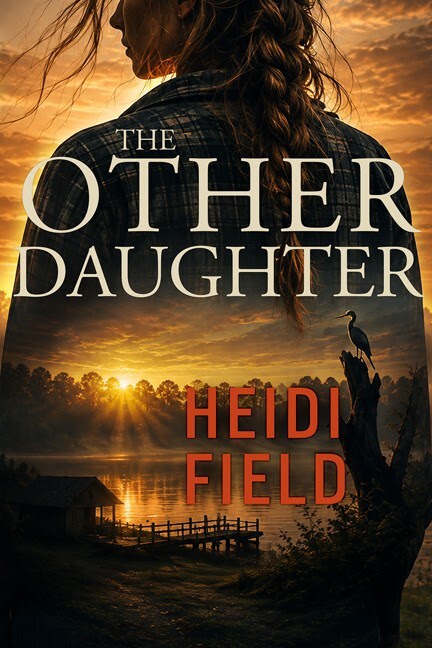
The Other Daughter by Heidi Field The Peasedale Woods Killers #4
Two brothers. Two daughters. One deadly legacy.
Every family has secrets. Some are worth killing for.
Shiv has spent years trying to leave Peasedale behind. With Mason Tucker finally free from prison and her son, Pip, growing into a happy young boy, the future feels brighter than it has in a long time.
Then Hunter Piper appears.
For decades, the Piper name has been synonymous with tragedy, violence and loss. Now Hunter has come back to claim what he believes is his, bringing with him a daughter no one knew existed. Jeanie.
#TheOtherDaughter X(Twitter @ZooloosBT #ZooloosBookTours #blogtour #booktwitter
Instagram @zooloosbooktours #bookstagram
As old wounds reopen and long-buried secrets begin to surface, Shiv finds herself drawn into a deadly conflict rooted in the darkest chapter of her family’s history.
When Pip vanishes, the race to find him leads back to the place where it all began—the shack in the woods.
But some truths should never be uncovered.
And some daughters inherit far more than their father’s name.
My Review
The Other Daughter is the equivalent of hiding behind the sofa when the Daleks appear in Dr Who (you need to be a certain age to understand the reference). You want to watch, but you keep one eye shut and hope they will go away. Even the opening chapter is ‘I don’t think I can deal with this.’ But I did.
It only gets worse. Hunter and bonkers Jeanie arrive at Shiv’s house out of the blue.
‘Hi! I’m your cousin Jeanie you didn’t know existed and this is my dad, Hunter, Gunner Piper’s brother,’ or words to that effect.
Now for those who haven’t read the first three books, Gunner was a serial killer, an abuser of boys, who gave himself up, spent years in prison without parole, and eventually died inside. Mason Tucker has also been in jail, having served 20 years for procuring Gunner’s victims – he was also a child at the time – and is about to be released. He is in a relationship with Shiv, Gunner’s daughter. Shiv has a son Pip, from her first marriage. You couldn’t make it up, but Heidi just did.
I found Book Four the most terrifying of the lot, probably because I have got to know the characters and quite like them, though the jury is still out where Mason is concerned.
And if that’s not enough, there’s a massive twist at the end, one which I didn’t see coming. Shame it’s the last in the series, we could have Pip as the main character in The Other Grandson. Well, the only grandson. So maybe that wouldn’t work. And I admit that I cried at the very end and I really didn’t see that coming.
Many thanks to @ZooloosBT for inviting me to be part of this blog tour.
About the Author
Heidi Field was raised in the beautiful countryside of the South of England with her parents and her two sisters. In her twenties she was a freelance Sports Massage Therapist. She achieved a Degree in Zoology at the age of thirty and then went on to raise two boys and became the stepmother of three more young children. She still lives near her family home with her partner, their Great Dane and the children that have yet to fly the nest.
In her early forties Heidi completed a Masters in Creative Writing at Winchester University. She entered the course hoping she would become a children’s fantasy writer and left with a burning desire to write contemporary mysteries and thrillers. Heidi wanted to put relatable people in extraordinary situations, challenge them, push them to their limits and watch them fight for their sanity.
Where can you find her?
Social Media Handles
BlueSky: https://bsky.app/profile/heidifield.bsky.social
Instagram: https://www.instagram.com/heidi.field.75/
Facebook: https://www.facebook.com/profile.php?id=61576201361 587
X (formerly Twitter): https://x.com/HeidiField11
Website: https://heidifield.co.uk/
Goodreads:
www.goodreads.com
Purchase Links:
www.amazon.co.uk

+ 1960s, 1990s, childhood, family, family drama, fiction, grief, India, literature, review, siblings, twins
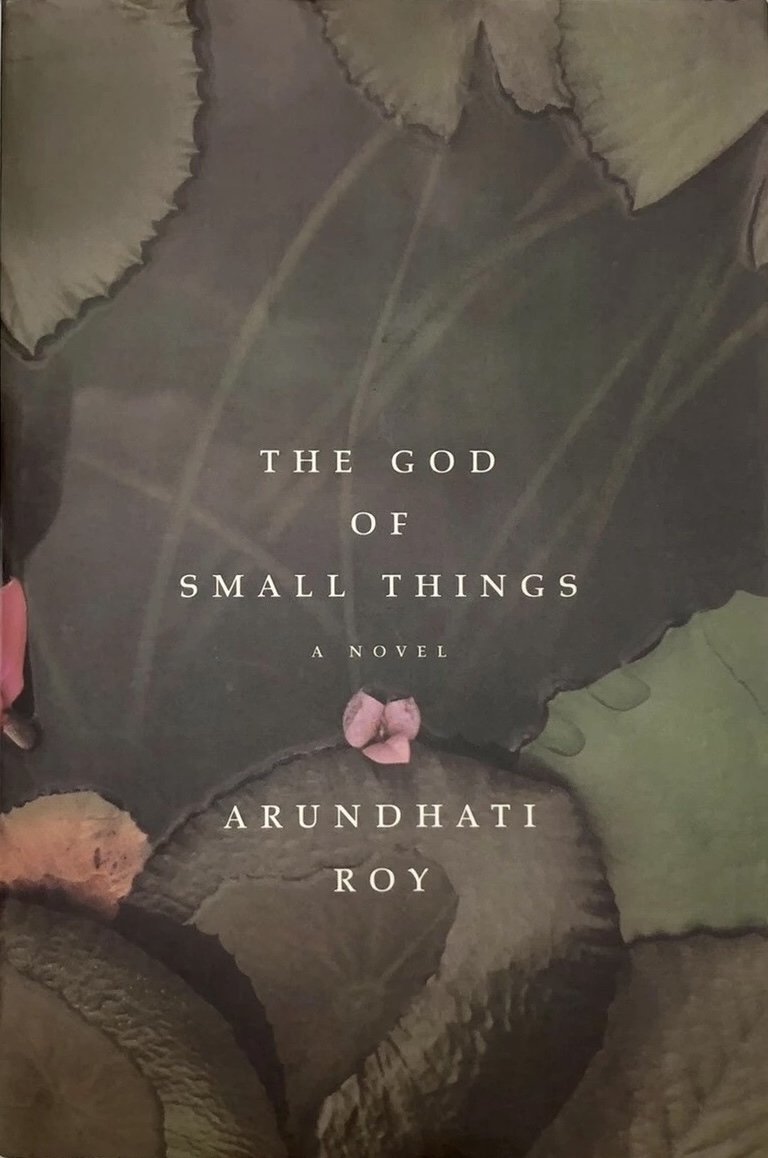
The God of Small Things by Arundhati Roy
The year is 1969. In the state of Kerala, on the southernmost tip of India, a skyblue Plymouth with chrome tailfins is stranded on the highway amid a Marxist workers’ demonstration. Inside the car sit two-egg twins Rahel and Esthappen, and so begins their tale. . . .
Armed only with the invincible innocence of children, they fashion a childhood for themselves in the shade of the wreck that is their family—their lonely, lovely mother, Ammu (who loves by night the man her children love by day), their blind grandmother, Mammachi (who plays Handel on her violin), their beloved uncle Chacko (Rhodes scholar, pickle baron, radical Marxist, bottom-pincher), their enemy, Baby Kochamma (ex-nun and incumbent grandaunt), and the ghost of an imperial entomologist’s moth (with unusually dense dorsal tufts).
When their English cousin, Sophie Mol, and her mother, Margaret Kochamma, arrive on a Christmas visit, Esthappen and Rahel learn that Things Can Change in a Day. That lives can twist into new, ugly shapes, even cease forever, beside their river “graygreen.” With fish in it. With the sky and trees in it. And at night, the broken yellow moon in it.
The brilliantly plotted story uncoils with an agonizing sense of foreboding and inevitability. Yet nothing prepares you for what lies at the heart of it.
The God of Small Things takes on the Big Themes—Love. Madness. Hope. Infinite Joy. Here is a writer who dares to break the rules. To dislocate received rhythms and create the language she requires, a language that is at once classical and unprecedented. Arundhati Roy has given us a book that is anchored to anguish, but fueled by wit and magic.
My Review
I first read this many years ago, but I chose it as my book club read as others were keen to read it (some had read it before like me) and I fancied reading it again.
I didn’t like it as much as I did when I read it in the late 1990s. Not because it’s dated – it’s set partly in 1969, when the children are eight or nine, so that wouldn’t apply. Perhaps because I have read many more books since then.
We also jump forward to 1993 when Rahel is an adult, and Esthappen returns after being sent away in 1969. Their connection is broken and he doesn’t speak. Their mother Ammu died alone years before.
I remembered little apart from the fact that the family were Syrian Christians in a Hindu country. I remembered the twins but not the death of Sophie Mol.
I found the prose brilliant and unusual, but sometimes the descriptions were over complicated and repetitive – the Love-in-Tokyo, the pointy shoes, the Elvis references and the quiff, the two-egg non-identical twins etc. Over and over. The capitalised words. It made it exhausting to read, and I wanted to move the story forward. It also made it complicated. And I would forget where it had gone before. It would be disingenuous if I said I found it a bit gimmicky at times. I so wanted to be wrong.
Any swearing – use of the f word and the c word I found unnecessary for the context. And then the all important question – did they or didn’t they?
About the Author
Arundhati Roy is an Indian writer who is also an activist who focuses on issues related to social justice and economic inequality. She won the Booker Prize in 1997 for her novel, The God of Small Things, and has also written two screenplays and several collections of essays.
For her work as an activist she received the Cultural Freedom Prize awarded by the Lannan Foundation in 2002.
+ 1920s, 1980s, art, family, family drama, fiction, Historical fiction, India, romance
The Emerald Sketchbook by Helen Sellarajah
Delhi, 1920.
After five years in England, seventeen-year-old Patricia Harris returns to British India to assume a future shaped by societal expectations, and her plans to pursue her art, and marry the respectable Frederick Ward of the Indian Civil Service.
Instead, she finds herself caught between two very different men, and a man with scars and secrets of his own. She is confronted by long-hidden family drama, and drawn into a world where love, loyalty and ambition collide. As old wounds reopen and dangerous truths emerge, Patricia discovers that some choices will shape not only her own future, but generations yet to come.
#TheEmeraldSketchbook Instagram @hyggebooktours @parkvicpublishing #bookstagram #blogtour Twitter/X @hyggebooktours Facebook @hyggebooktours
Years later, in Dundee, her granddaughter uncovers Patricia’s long-forgotten emerald sketchbook. As its pages reveal a remarkable story of desire, sacrifice and heartbreak, she begins to understand the extraordinary woman who came before her—and the choices that still echo through her own life.
Set against the vivid backdrop of a culturally and architecturally eclectic city, The Emerald Sketchbook is a sweeping historical romance filled with unforgettable characters, emotional depth, and the timeless belief that love can endure across both continents and generations.
My Review
When Patricia Harris returns to India after five years at school in England, she is engaged to Frederick Ward of the Indian Civil Service. Her father, Sir William, has not approved the marriage – he doesn’t think Frederick is right for her. We don’t either. We also have to remember how young they both are, it’s easy to forget she is only seventeen.
Frederick is everything Sir William and Patricia are not. He sees Indian people as inferior regardless of caste or education, wants Patricia to give up painting and writing once they are married, so she can manage the household and children, and become the perfect civil servant’s wife. She thinks he will change. He won’t. And he’ll want to return to the UK once his post if over.
In the meantime, an old childhood friend (who she doesn’t remember) has returned and immediately falls in love with her and wants to marry her. Frederick is not best pleased. Then to add insult to injury, Sir William hires a charismatic young man to act as Patricia’s art teacher. They instantly form a bond, though not romantically. Frederick can’t understand why Sir William didn’t hire a woman or an older man. So which suitor would you be rooting for?
In 1982, in Dundee, Patricia’s granddaughter has found her grandmother’s Emerald Sketchbook, full of drawings, musings and memories. It shines a light on her family’s history, life in India in the 1920s, and the choices women had to make with the constrictions imposed upon them at the time. It’s an engaging story, perfect for a holiday read when you are not in hurry. A book to be savoured like the Indian cuisine so beautifully described by the author.
Many thanks to Hygge Book Tours for inviting me to be part of #TheEmeraldSketchbook #blogtour
About the Author
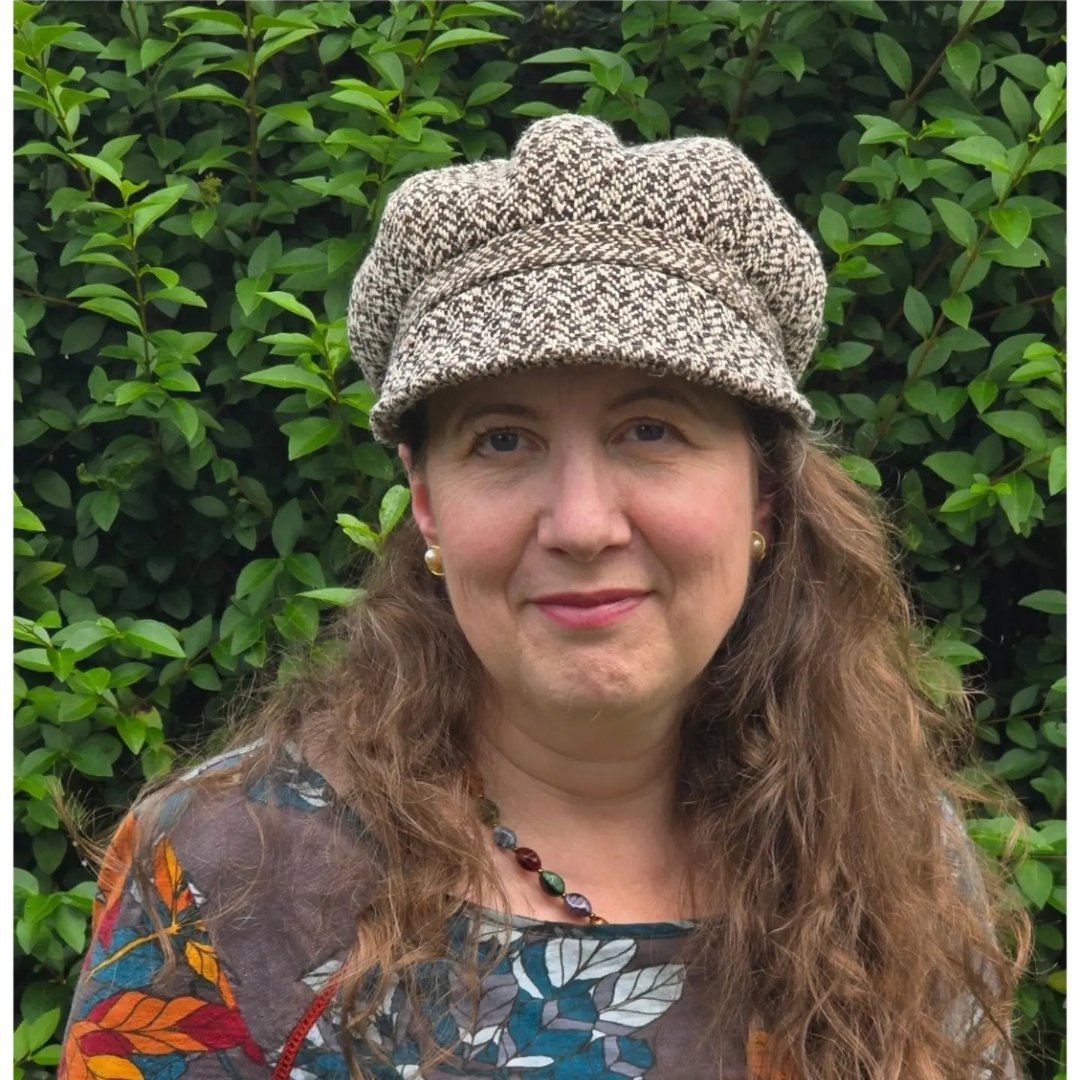
Author of The Emerald Sketchbook. Wife and stay-at-home-mum of three girls and a cat. Loves hiking, photography, reading, sewing memory blankets.
Connect with Helen
Instagram: @hsellarajah
Buy Links:
www.amazon.co.uk
Goodreads:
www.goodreads.com

From the bestselling author of Things in Jars and The Night Ship comes a spellbinding gothic novel in which lifelike machines walk, old bones lie buried beneath the marsh grass, and a young woman born crackling with power confronts the terrible truth of her origins.
A secret cannot stay locked away forever…
Bodkin Bell, orphan, pickpocket and survivor, doesn’t know where she came from, but she knows she’s different. Gaslights flare as she walks past. Cutlery spins. Shocks fly from her fingertips.
For years, she was ‘Little Spark’, the star of an electrifying sideshow—until the act went too far and she ended up in a London gaol.
Now she’s been offered a way out. A chance to serve at Point Mote, a vast, desolate house marooned on the misty Kent marshes. There, she will assist a reclusive family of cunning inventors in the creation of automata: miraculous, lifelike machines for which gentlemen collectors will pay handsomely.
But this house of wonders hides mysteries too. As Bodkin starts to question why she is really there, she unearths secrets that have been buried bone-deep for years—and a truth beyond all imagining. One that was never meant to be found.
My Review
Another excellent offer from one of my favourite authors. This one is different, as like in The Night Ship there are no ghosts or spirits, in fact not even a tiny bit of magical realism. I miss the supernatural element, especially the dead boxer and the saints, but especially I miss the Irish narrators, though this one is very goood.
Eight-year-old Bodkin Bell is electric, literally. Sparks fly from her fingers, which makes an entertaining side show act with her mentor Cornelius Bell. They tour the country together for years. But when it goes horribly wrong, she ends up in jail and Cornelius disappears.
Then she is offered a deal she can’t refuse. She can see out her sentence at the scary Point Mote, a desolate house on the Kent marshes. She would be the assistant to the owner’s nephew, in the creation of his automata. Or stay and and rot in prison. Accept or her sentence just keeps going up.
This is so clever and well-plotted, and we root for Bodkin even though she is not perfect. She was a pickpocket after all. But needs must. The story takes a lot of twists and turns and eventually we end up in a place we could never have imagined. Now I just need to wait for the next book from Jess Kidd, be it another Victorian mystery or book three in the Nora Breen Investigates series.
About the Author
Jess Kidd was brought up in London as part of a large family from county Mayo and has been praised for her unique fictional voice. Her debut, Himself, was shortlisted for the Irish Book Awards in 2016. She won the Costa Short Story Award the same year. Her second novel, The Hoarder, published as Mr. Flood’s Last Resort in the U.S. and Canada was shortlisted for the Kerry Group Irish Novel of the Year 2019. Both books were BBC Radio 2 Book Club Picks. Her latest book, the Victorian detective tale Things in Jars, has been released to critical acclaim. Jess’s work has been described as ‘Gabriel García Márquez meets The Pogues.’

+ family, fiction, ghosts, gothic, gothic horror, Gothic mystery, haunting, revenge, review, secrets, supernatural, Victorian Britain
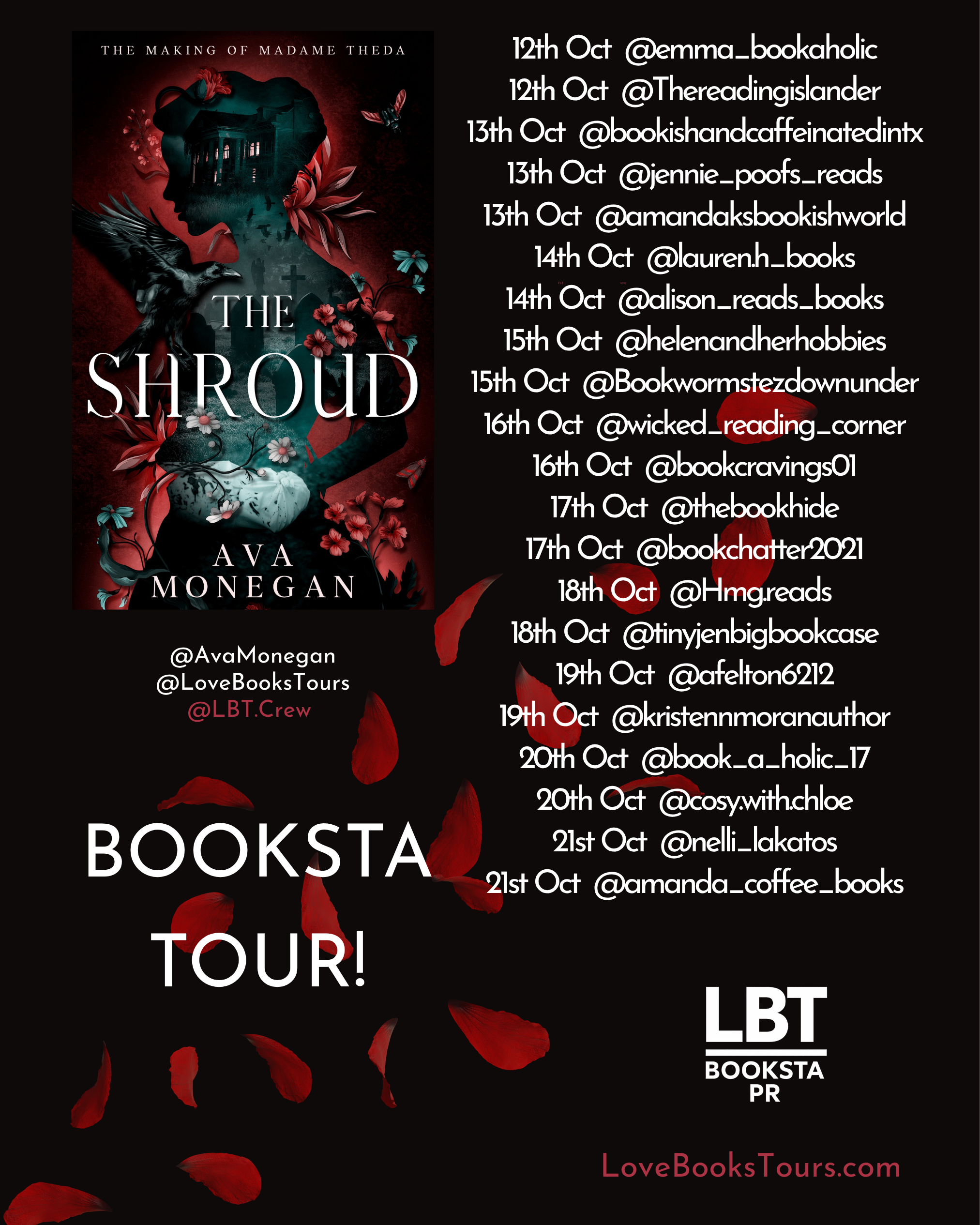
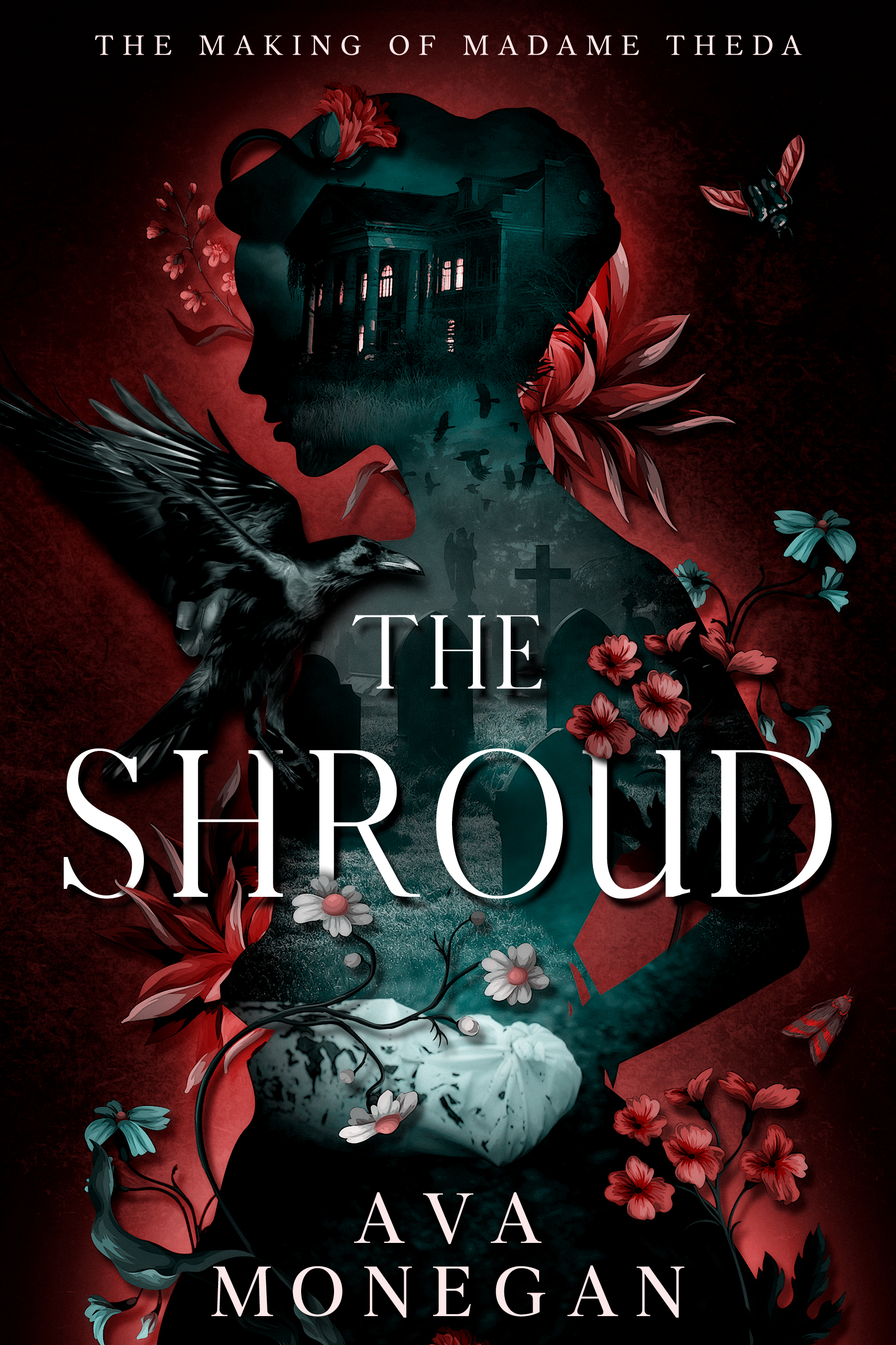
The Shroud by Ava Monegan The Making of Madame Theda #1
A fraudulent medium. A house full of secrets. And a killer who can’t let either of them leave.
Madame Theda is a fraud. She wears mourning clothes without having lost anyone. She owns a past that isn’t hers. And she claims to speak to the dead, but can’t.
When she is hired to investigate a haunting at the isolated Blackheath House on the English moors, she readily accepts. It might just secure her position as a rising medium in a Victorian London obsessed with the dead.
But Blackheath House, lonely and disdainful, like its owners, holds too many secrets.
Why do the servants flee the house each night? Did a devil’s curse doom the family’s men? Why are parts of the house sealed off from visitors?
As the house’s labyrinthine corridors draw Theda deeper into a web of secrets and deceit, the boundary between reality and the supernatural begins to blur. Soon, her reputation is the least of what’s at stake now. And the past she ran from isn’t done with her yet.
This first instalment of the debut trilogy The Making of Madame Theda delivers atmospheric suspense and a gothic supernatural mystery for readers who love haunted-house stories such as Rebecca Netley’s The Whistling or Laura Purcell’s The Silent Companions.
My Review
It’s books like The Shroud that make me realise why Gothic fiction is one of my favourite genres. It’s perfect and has all the necessary elements – a spooky house in the middle of nowhere, a storm that prevents anyone from leaving, faces appearing in the mirror but there’s no-one there, hidden tunnels, crazy relatives and of course the requisite ghosts. It also has its fair share of secrets and local gossip.
Madame Theda is a medium who makes a living holding seances and speaking to the dead. Seances became very popular in Victorian Britain with Sir Arthur Conan Doyle and Queen Victoria (allegedly) being fans. But Theda, as with most of them (or all if you don’t believe), is a fraud and she knows it. I’m sure there were others who actually believed they could contact the spirits, but I very much doubt it.
Following a disastrous seance, Theda and her partner-in-crime Hannah are invited to go to Blackheath House, a spooky old manor on the moors, where pregnant widow Mrs Olivia Hays is being haunted by an unfriendly spirit. Her husband’s death is recent and he died in debt, meaning Olivia and her young son will lose their house. The only alternative is to move to Blackheath, the family home.
As soon as Theda and Hannah arrive they know something is amiss. Mr Eastcott is the other ‘guest’ but he is a scientist and is there to find a rational answer to the mysterious goings on. And unmask Theda as the fraud she really is. And it’s not long before they realise they could all be in danger.
I loved this so much. It’s the first in a series called The Making of Madame Theda and I can’t wait to read book two. There is a also a short story called The Widow of Blackheath House, downloadable free from Ava’s website https://avamonegan.com/ about Olivia which I read straight after. More Theda please!
Many thanks to @lovebookstours for inviting me to be part of #TheShroud blog tour.
About the Author
Ava Monegan writes atmospheric Gothic mysteries inspired by haunted pasts and lingering ghosts. Her work blends historical fiction, subtle horror, and supernatural ambiguity, drawing on classic Gothic traditions, Victorian-era influences, and a lifelong love of mystery and ghost stories.
Buy Link
www.amazon.co.uk
Goodreads
www.goodreads.com
Social Media Handles/Tags
Instagram
@AvaMonegan
@lovebookstours
@LBT.Crew
#Ad #LBTCrew #Bookstagram #FreeBookReview
X (Twitter)
@lovebookstours
#Ad #LBTCrew #Booktwitter #FreeBookReview
Threads
@lovebookstours
Facebook
@lovebookstours
TikTok
@lovebookstours
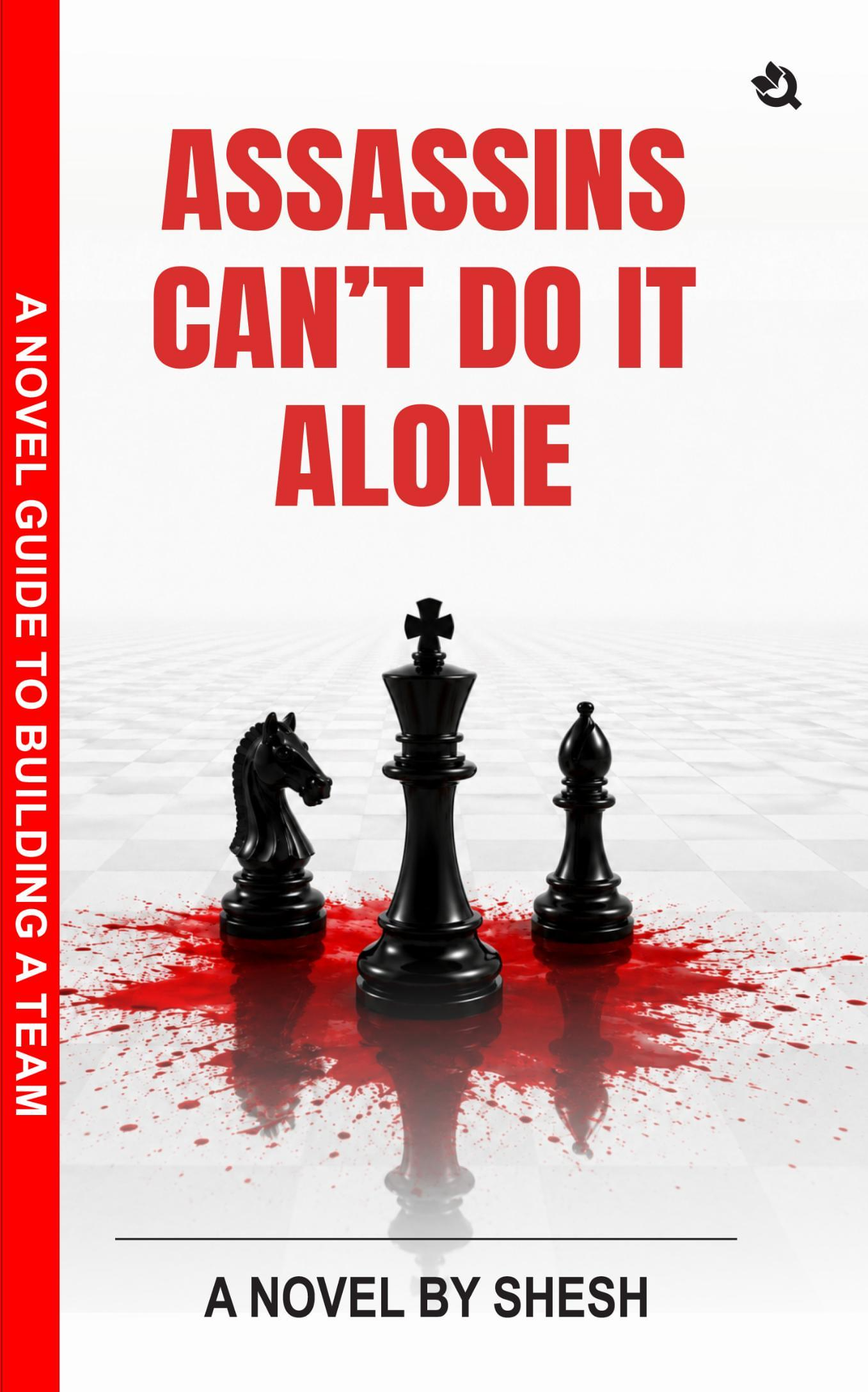
Ishmael Dollah is back! He was once a CEO. He is now an assassin. He kills people who deserve to die.
He excels in his new role for exactly the reasons he excelled at the old one.
When a Singapore family tortures their domestic worker to death and looks certain to walk free, Ishmael adds a mother and her son to his list. Then he runs into the limit every founder runs into: the job is bigger than one man.
#AssassinsCantDoItAlone Instagram @hyggebooktours #bookstagram #blogtour
Twitter/X @hyggebooktours Facebook @hyggebooktours
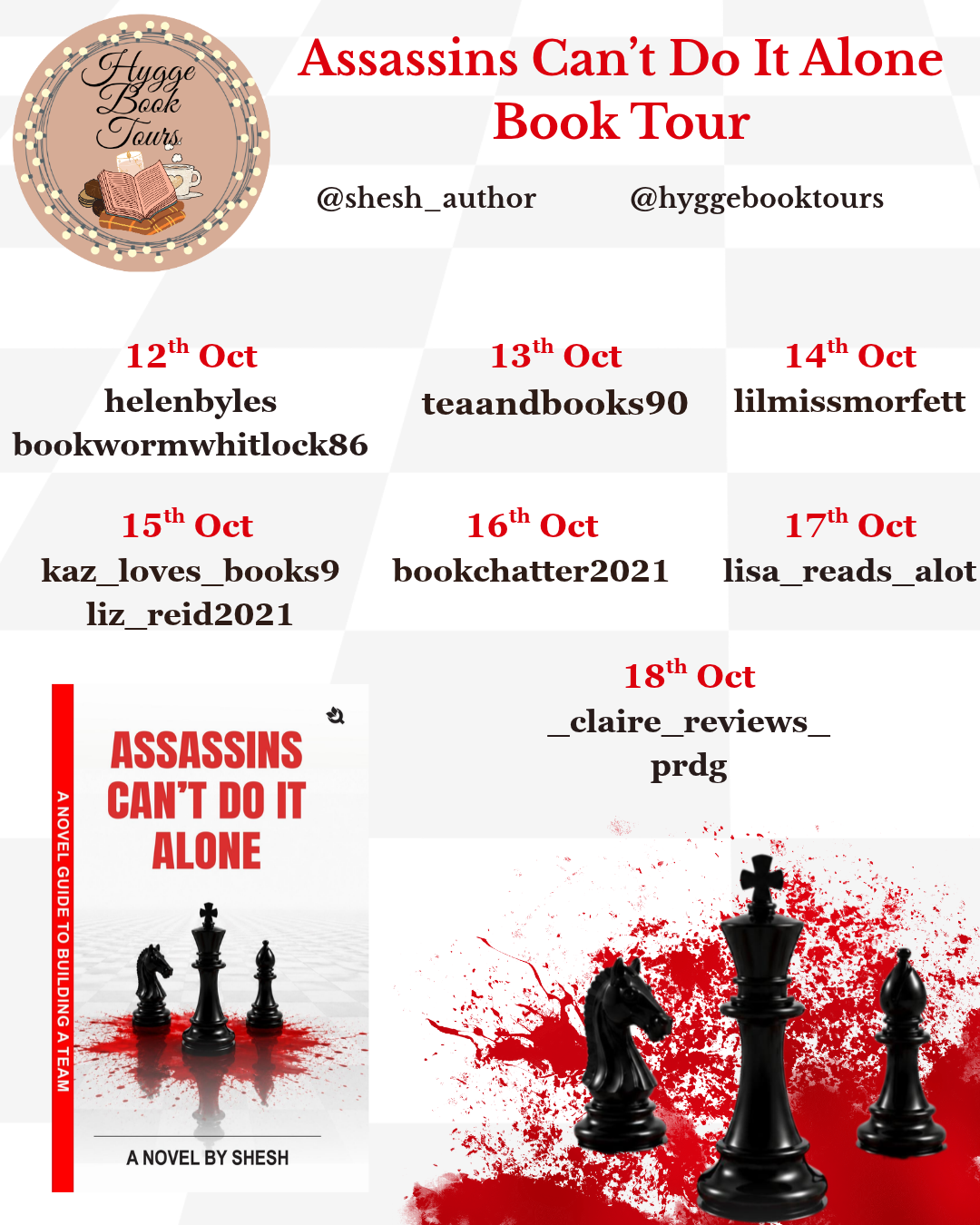
So he does what any competent leader would. He builds a team. Starting with the police inspector assigned to catch him.
Because even assassins can’t do it alone.
What follows is a lesson in delegation, loyalty and control, taught by a man who understands that the most dangerous thing you can give someone is your trust.
The third novel in the Corporate Assassin Series. A dark thriller that is also, unnervingly, the best management book you will read this year.
My Review
Ishmael has already killed four people in the first two books. They all deserved to die. But that doesn’t make it right in the eyes of the police and work colleagues. Though all four cases are now closed, there are some that don’t accept the results and think they require more detailed investigation.
Singapore is usually a civilised, peaceful, safe place. But when Fatimavati comes from overseas to work for the Soons, she is beaten, tortured and dies of her injuries. The Soons won’t get the punishment they deserve. Ishmael in incensed. So is Inspector Julia. But unfortunately, though she would like to help Ishmael bring the Soons to justice, julia also suspects he is involved in the other four deaths. Ishmael really needs her on his team.
He also needs private investigator Joseph, but while Joseph is prepared to help up to a point he is not happy to assist directly in the actual assassination. But Ishmael really needs him on his team. He’s working on it.
You can’t help liking Ishmael, it’s a bit like admiring Villanelle in Killing Eve. And then of course there is his family – his long-suffering wife Nysa, their son Shahed, and daughter-in-law Marianne, whom they refer to as the ‘children’.
There’s a bit of a cliff hanger at the end, so no doubt this will be resolved in book four. I can’t wait. It’s such a great series.
And once again, we get an unashamed plug for the author’s wife in real real life and her fabulous cakes. Look up @SinsationsbyRadhika. Love it!
Many thanks to #HyggeBookTours for inviting me to be part of the #AssassinsCantDoItAlone #blog tour.
Social Media Links / Instagram
@shesh_author
@radreads_25
Buy Links:
www.amazon.co.uk
www.amazon.com
Goodreads
www.goodreads.com
About the Author
Shesh, or Venkatraman Sheshashayee, is a retired CEO living in Singapore. Armed with degrees in Marine Engineering and Management, he first sailed across half the known world and then built businesses across most of the rest of it. In his career spanning thirty-eight years, he built companies from scratch, transformed them and turned them around. Currently, he mentors nine start-ups and about twenty professionals. He is a director on three boards and advises two more.
He started writing in his teens. His articles have been published in trade publications (relating to the maritime and offshore energy industry) across the world.

Shesh is married to Singapore’s best home baker, Radhika (www.sinsationsbyradhika.com). They have two children, both of whom are in Singapore building a start-up in the physical fitness space.
When not mentoring or writing, he runs, plays tennis and reads. Though never at the same time.
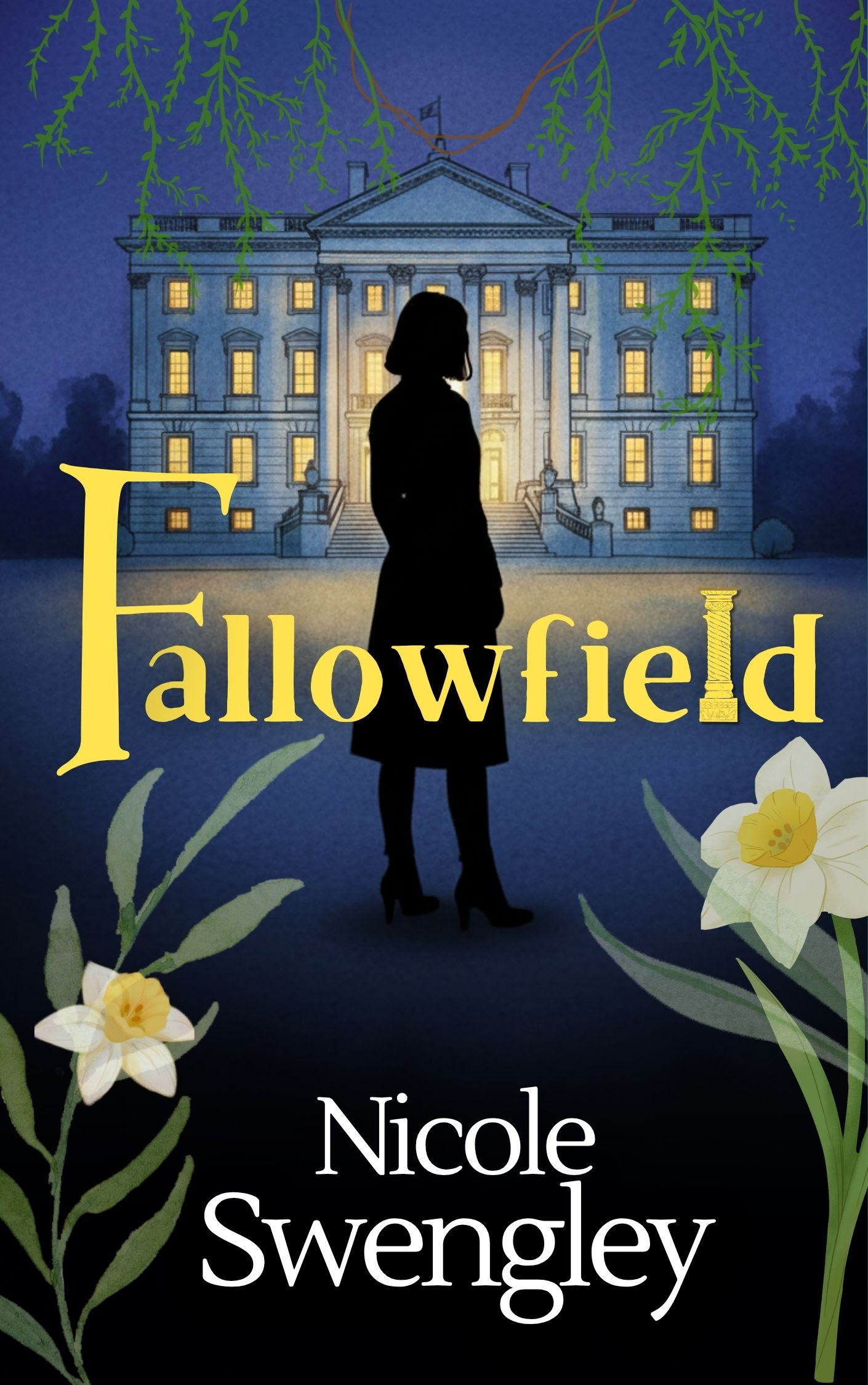
Fallowfield – where the past cannot rest
Fallowfield Hall: once an avant garde art college, now abandoned and decaying. To journalist Rowan Woodhouse it is the fabled backdrop to her parents’ 1970s love story. But is there more to Fallowfield – and her family – than she’s been told?
Struggling with the loss of her artist father, Rowan hopes a research project to celebrate the half-centenary of the college where he taught will lessen her grief, reveal more about his life and work, and bring a deeper understanding of her enigmatic mother who died tragically young.
#Fallowfield X/Twitter@BBookCollective #RandomThingsTours @annecater @RandomTTours Instagram @breakthrough_book_collective @randomthingstours #bookstagram #blogtour
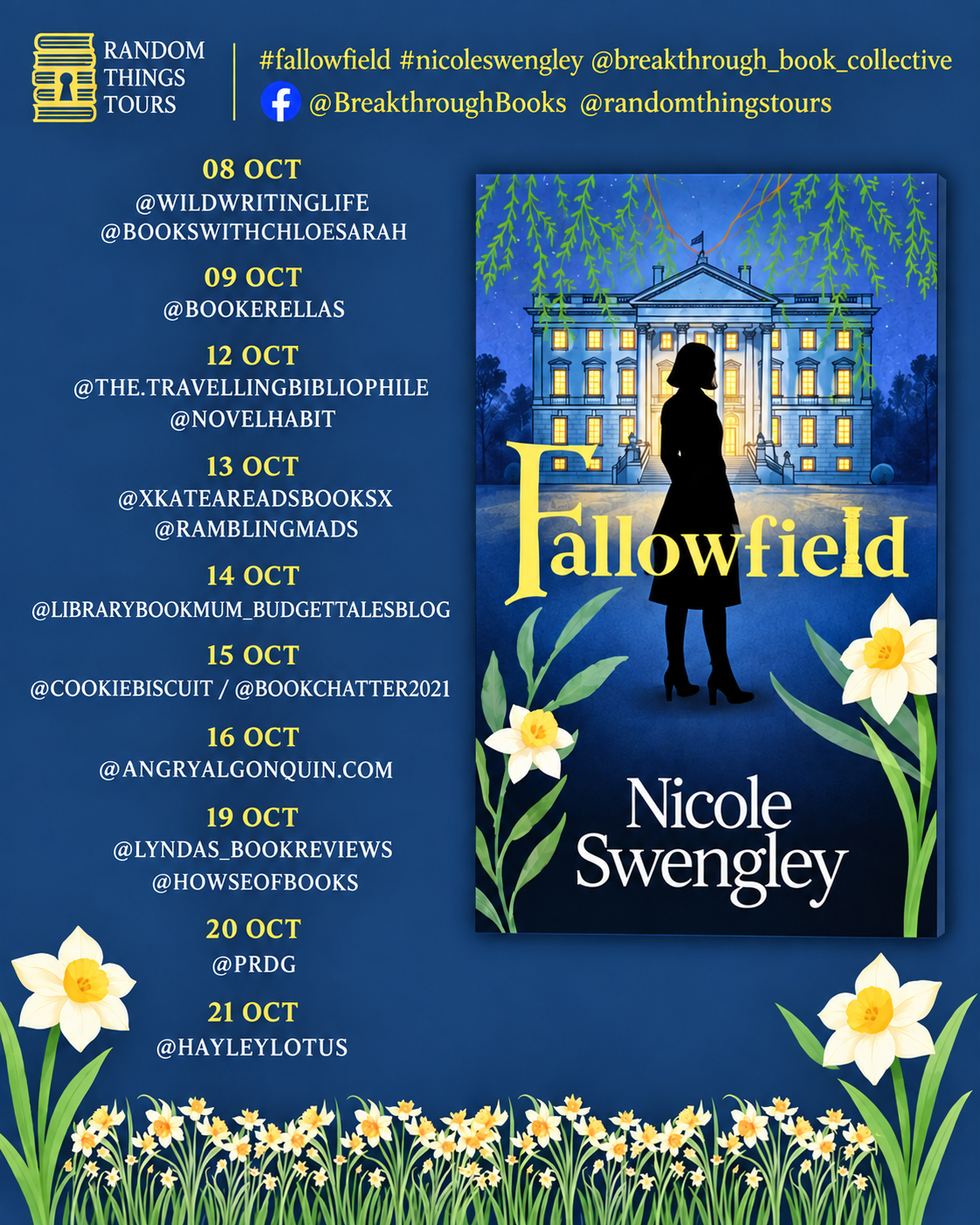
But Rowan soon discovers that Fallowfield wasn’t all about hedonistic student life and idyllic picnics on its famous daffodil lawns. Jealousies, betrayals and rivalries emerge when she learns of the mysterious death of one young woman and the unsolved disappearance of another.
As past and present become dangerously intertwined, how will Rowan cope with the suspicions sparked by her investigations and will these impact her own troubled personal life?
My Review
Fallowfield is set partly in the 2000s and partly in the 1970s. The latter was my era. I went to The London College of Fashion in 1973. It was amazing. I didn’t drink though or use cocaine (I’m not sure I’d even heard of it back then). We had very little money and lived in a hostel. We must have been very boring compared to Rowan’s father Nick and his friends.
Nick was a student at Fallowfield before returning the following year as a lecturer. Her mother Annie was a student when he was teaching – their relationship forbidden by the college. They still managed to see each other on the quiet.
We are introduced to other students, and to hippie Zizi, staying on a campsite nearby. Everything seems to revolve around Zizi, who died on the night of the summer ball.
It’s all too much for Rowan, who is determined to find out the truth following her father’s death, and why he might be linked to Zizi. But everyone is telling her a different story and they all seem to be lying.
I can’t believe how naive Rowan is, especially as she is a features writer for a magazine. She is so shocked that her father might have been up to all sorts in the 70s, including drinking, taking drugs and two-timing Annie. Even having previous relationships seems to bother her. She is currently seeing photographer Doug who also works for the magazine. We know they are wrong for each other even before Rowan does.
Fallowfield must have taken hours of research – I don’t think I could ever have the patience. It’s so well-written and on-point, and I learnt a lot about a genre I have never heard of called Good Girl Art, a type of artwork depicting women on the covers of comic books, detective novels and pulp magazines. Look it up! I found it fascinating.
Many thanks to @annecater for inviting me to be part of #RandomThingsTours
About the Author
Nicole Swengley is a highly-regarded and experienced journalist who has written about art and design for titles such as The Times, Financial Times, Daily Telegraph, London Evening Standard, Wall Street Journal and many others.
A past student of the Faber Academy, Nicole has written non-fiction books for Collins and Adlard Coles and has had several short stories published in magazines and anthologies.
Her debut novel, The Portrait Girl, was published by Breakthrough Books in 2024.
Fallowfield is her second full-length work of fiction.

Publisher’s note:
This book’s appeal will be wide to readers of upmarket women’s, literary, mystery and amateur-sleuth fiction but in particular may appeal to mature audiences (especially anyone who remembers the 1970s! Or those with an interest in that era). Also to anyone with a passion for or keen interest in art – of all kinds (including a 1950s glamour-girl genre more akin to Hollywood posters, which is key to the story. The male gaze does not go unquestioned but the book and its heroine also take a quite pragmatic view). The book also takes place in some rarified worlds, such as those of art collectors and galleries, although it has a diverse cast of characters from all backgrounds. Fallowfield may also appeal to fans of ‘dark academia’. The book has moderate levels of threat.
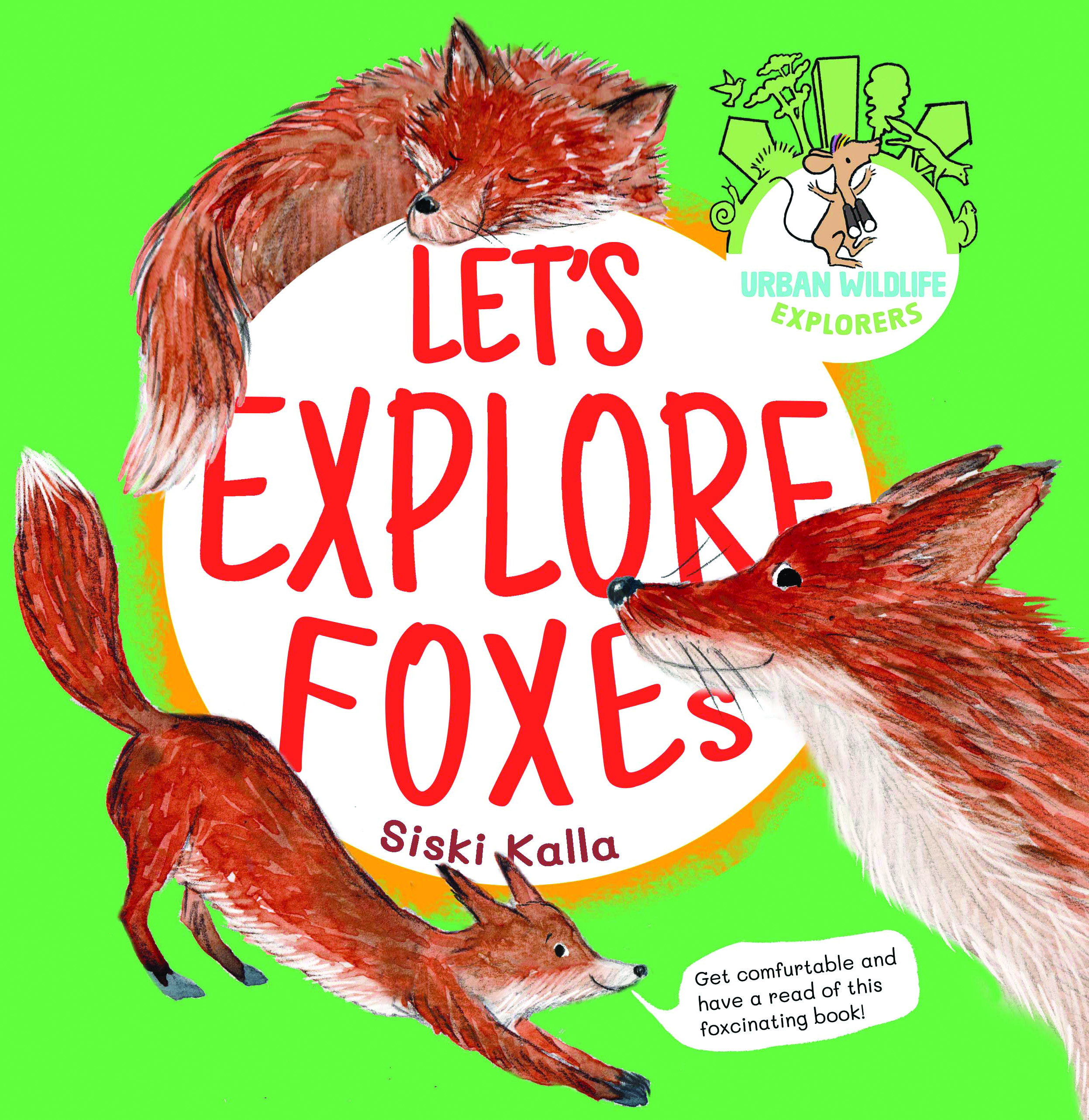
Perfect for home or school, the new book for children in the acclaimed Urban Wildlife Explorer series takes a close look at foxes, one of the most common but least understood wild urban animals.
85% of people in the UK live in urban settings, but only one in three children in the UK have ever watched birds or wildlife in their local park. And yet 85% of children are animal lovers.
Book Tour: 5th – 13th October
Genre: Children’s Non Fiction | Picture book (4-8 yrs)
Publisher: Cameron Publicity and Marketing (Publicist)

Urban Wildlife Explorers are Perfect for curious young minds, they are bursting with laugh-out-loud moments, fascinating science, and beautiful watercolour illustrations. The Urban Wildlife Explorers series is also packed with tips on how kids can help protect and interact safely with local wildlife.
Whether you’re a budding naturalist or just want to find out more, these are the perfect guides for young urban explorers!
My Review
I love foxes and I want others to love them too. They are not the villains that people believe they are. They are simply trying to survive in an ever more hostile environment. We no longer hunt them for sport, but they need to find food, which could mean going through your bins.

I live in an urban area. A few months ago we had a family of five foxes living behind a garage across the road. Eventually, mum, dad and two of the cubs moved away, and just one of the cubs remained to claim it as his or her territory. Eventually a new family will appear and the whole cycle will start again.
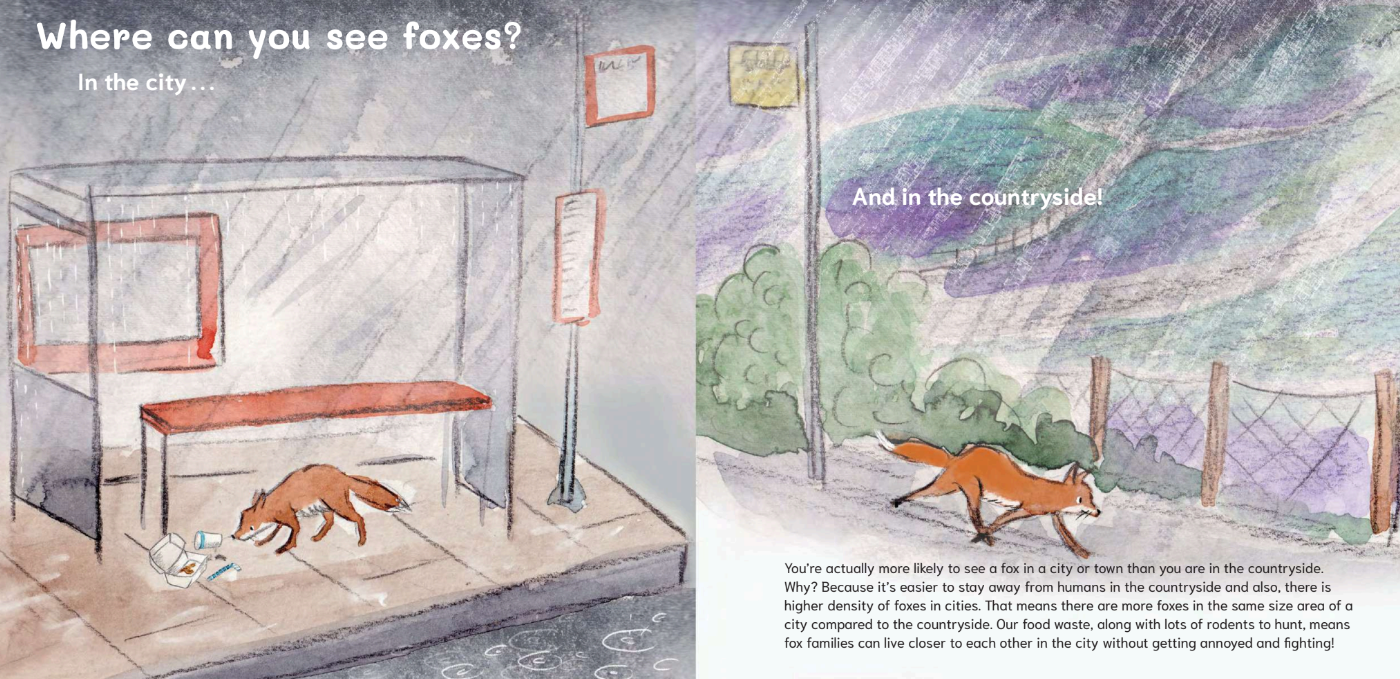
Foxes are different from other furry animals like wolves, cayotes and red pandas, but they have similarities with cats and dogs. A fox uses its tail for balance like a cat, and uses its ears and nose like a dog. It has whiskers and eyes that see well at night like a cat, and claws that help it to climb. But there is a big difference – foxes are WILD. So where can we see them? They are easier to spot in urban areas than they are in the countryside these days.
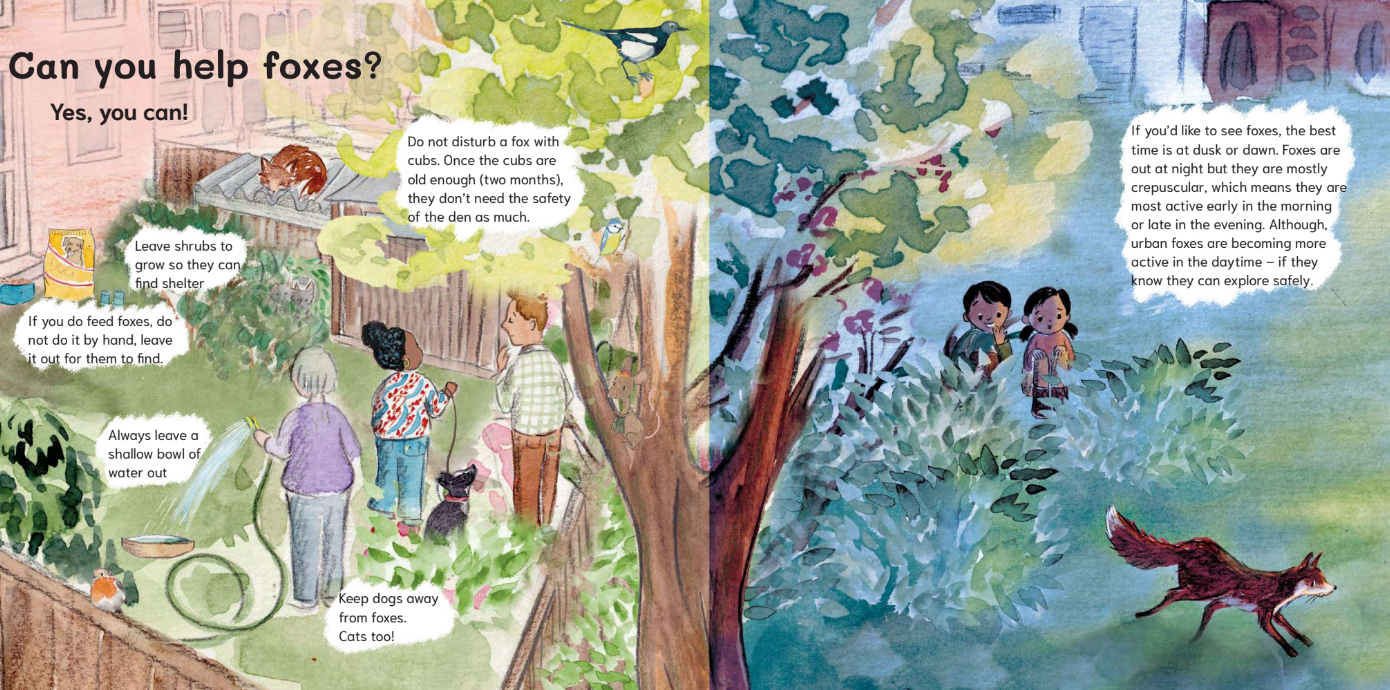
Let’s Explore Foxes is a brilliant book with lovely illustrations. But more than that, it’s full of information about foxes for budding naturalists, and why we love them and need them. I’m a huge fan – my dog not so much – and I love seeing them when we go out for a walk in the evening.
Many thanks to @lovebookstours for inviting me to be part of the #LetsExploreFoxes book tour.
About the Author
SISKI KALLA is an award-winning Illustrator who has illustrated more than twenty children’s picture books, all about animals and many about dogs (she has fostered 15 dogs in the past 10 years!). Her first Urban Wildlife Explorer Book, Let’s Explore Snails, won the Society of Children’s Book Writers and Illustrators (SCBWI) Spark Award Honour and she has not stopped since! Find out more at siskikallaillustration.com
Buy Link
www.amazon.co.uk
Goodreads
www.goodreads.com
Social Media Handles/Tags
Instagram
@SiskiKallaIllustration
@CameronPublicity
@lovebookstours
@LBT.Crew
#Ad #LBTCrew #Bookstagram #FreeBookReview
X (Twitter)
@lovebookstours
#Ad #LBTCrew #Booktwitter #FreeBookReview
Threads
@lovebookstours
Facebook
@lovebookstours
TikTok
@lovebookstours
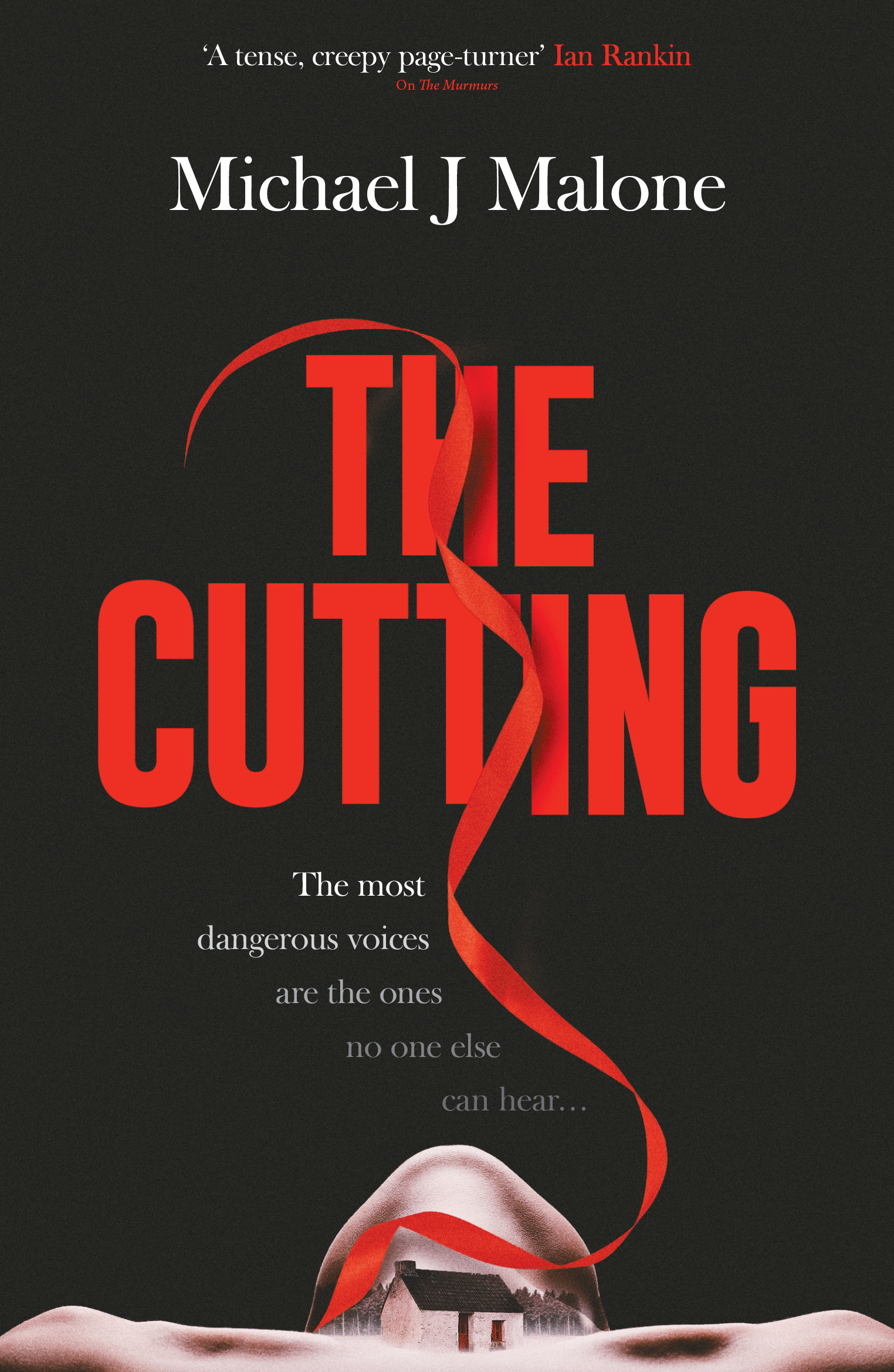
When a woman haunted by a relentless presence seeks Annie Jackson’s help, Annie and her brother Lewis are drawn into an investigation that reaches deep into Scotland’s darkest history. The twisty, atmospheric, addictive Annie Jackson series continues…
The most dangerous voices are the ones that no one else can hear…
Evie Cartwright first speaks to the dead as a child. When she leaves home for university, her ability takes a terrifying turn after she witnesses a brutal murder. By morning, she is haunted by a dead serial killer who refuses to leave her alone, and marked by a cut across her neck that never heals.
#TheCutting Twitter/X @michaelJmalone1 @OrendaBooks #RandomThingsTours @annecater @RandomTTours
Instagram @malonemichaelj @randomthingstours #bookstagram #blogtour #Gothic #Scotland #supernatural #AnnieJacksonMysteries
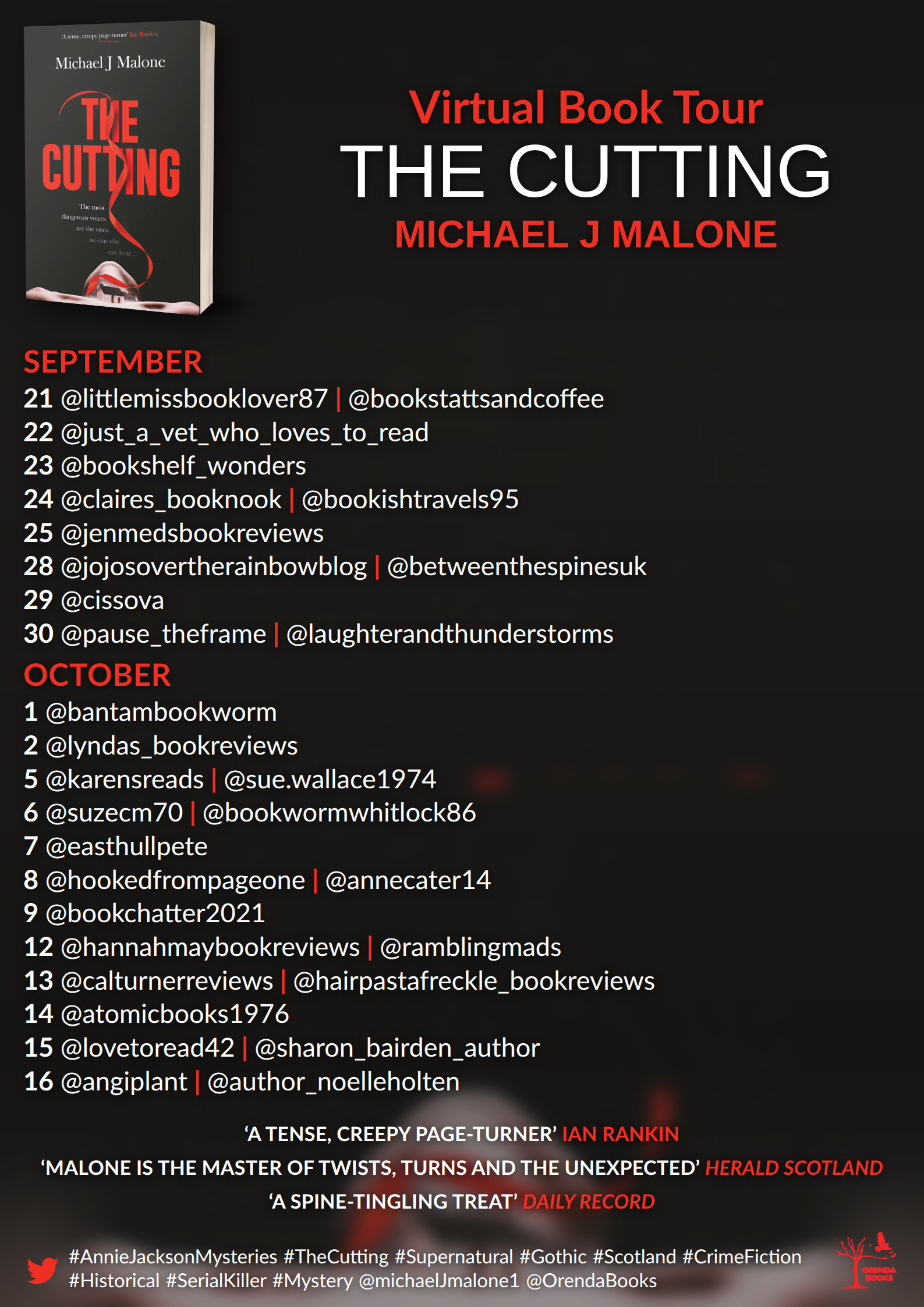
For the next ten years, Evie is driven from place to place, searching for a way to rid herself of the voice that torments her day and night. When desperation leaves her with nowhere else to turn, she arrives at the remote Highland home of Annie Jackson, hoping she will finally find answers.
As Annie and her brother Lewis begin to investigate, helped by an old friend with specialist knowledge of the occult, they are drawn into a dark and dangerous search that reaches deep into Scotland’s history.
And some ghosts are not content to remain in the shadows…
A Gothic thriller with a spellbinding mystery at its heart, The Cutting is the fourth instalment in Michael J. Malone’s acclaimed Annie Jackson series, and this time, danger may be impossible to outrun.
My Review
In the first book, The Murmurs, in the Annie Jackson series, we had flashbacks to the time when witches were strangled and their bodies thrown on a blazing pyre. In book four Annie is still plagued by the ‘murmurs’, the ability to see how and when people will die, but we are also introduced to Evie Cartwright, who is tormented by an evil spirit called Victor, whose mother and sister were drowned as witches in the 1600s. Evie witnessed a murder and that’s when Victor latched on to her and won’t let go. Evie has always been sensitive to the voices of the dead, but nothing compares to the ten years she has been haunted by Victor.
In the meantime, Annie’s twin brother Lewis is still on the trail of hit man Pierce, whose attack on Lewis’s wife Clare caused her to lose their baby. Lewis is determined to get his revenge, even if it puts his life at risk.
Evie seeks out Annie and befriends her in an attempt to rid herself of Victor, and together they visit various people like the elderly Ina, who knows all about the occult, and they believe can help either or both of them. But can Annie trust Evie or does she have her own agenda?
The book becomes a chase around Scotland for the two women, who discover more and more information which they hope will ultimately lead them to the truth. I have to admit though that Lewis’s story was at times a bit of a distraction and I just wanted to get back to the Evie and Annie part. I hope there will be more to come in the future as there are things left unanswered.
Many thanks to @annecater for inviting me to be part of #TheCutting #blogtour
About the Author
Michael Malone is a prize-winning poet and author who was born and brought up in the heart of Burns’ country. He has published over 200 poems in literary magazines throughout the UK, including New Writing Scotland, Poetry Scotland and Markings. Blood Tears, his bestselling debut novel won the Pitlochry Prize from the Scottish Association of Writers.
His dark psychological thriller, A Suitable Lie, was a number-one bestseller, and is currently in production for the screen, and five powerful standalone thrillers followed suit. The Murmurs and The Torments, first in the Annie Jackson Mysteries series, were published to critical acclaim in 2023. A former Regional Sales Manager (Faber) he has also worked as an IFA and a bookseller. Michael lives in Ayr, where he also works as a hypnotherapist.

About Orenda Books
Orenda Books is a small independent publishing company specialising in literary fiction with a heavy emphasis on crime/thrillers, and approximately half the list in translation. They’ve been twice shortlisted for the Nick Robinson Best Newcomer Award at the IPG awards, and publisher and owner Karen Sullivan was a Bookseller Rising Star in 2016. In 2018, they were awarded a prestigious Creative Europe grant for their translated books programme. Three authors, including Agnes Ravatn, Matt Wesolowski and Amanda Jennings have been WHSmith Fresh Talent picks, and Ravatn’s The Bird Tribunal was shortlisted for the Dublin Literary Award, won an English PEN Translation Award, and adapted for BBC Radio Four ’s Book at Bedtime. Six titles have been short- or long-listed for the CWA Daggers. Launched in 2014 with a mission to bring more international literature to the UK market, Orenda Books publishes a host of debuts, many of which have gone on to sell millions worldwide, and looks for fresh, exciting new voices that push the genre in new directions. Bestselling authors include Ragnar Jonasson, Antti Tuomainen, Gunnar Staalesen, Michael J. Malone, Kjell Ola Dahl, Louise Beech, Johana Gustawsson, Lilja Sigurðardóttir and Sarah Stovell.
+ crime fiction, folklore, gothic, Gothic mystery, grief, Historical fiction, humour fiction, Iceland, Iceland noir, Ireland, List, murder mystery, mystery, political thriller, politics, Scandi noir, superstition, thriller, witchcraft
My Top 10 Books of 2026 – Part Three
Here are ten of my favourite books of 2026 Part Three, excluding audiobooks, of which there are loads so far. As usual a disparate selection, with a fair bit of superstition thrown in, and my usual Gothic, plus Iceland, Ireland and politics.

Where Are The Kings by Donal Ryan
What a remarkable book this is. Ryan deals with suicide and mental health in such a sympathetic way. The writing is sublime and all the characters from fourteen-year-old Jack (he’s twelve at the beginning of the book), to his uncles Theo and Haulie, uncle JJ (who is only two years older than Jack but has learning difficulties), his grandparents and his Auntie Rose. Jack fantasises about Rose, but then she’s beautiful and he’s a hormonal teenager. She is still his Mam’s sister however.
I felt really sorry for Jack’s father, Tom. I thought that there was a tiny bit of blame placed on him just because he’s an immigrant. Almost as if no-one is surprised he went a bit doolally. After all, he’s from Czechoslovakia. I know, because my parents emigrated from Eastern Europe during the war. Maybe that’s why Where Are The Kings resonated with me more than Heart Be At Peace. It’s also unusual for the father to be institutionalised for mental illness, rather than the mother. Women were usually the ones treated for their ‘nerves’.
For my full review click here
The Kill Switch by Robert Peston
I cannot get over how much I loved this book. I read the first one ages ago and thought it was pretty good, but The Kill Switch is in a league of its own. There are so many shocks, but one of them had me gasping in disbelief.
It’s a mixture of politics, murder – the Prime Minister is killed right near the beginning (just what I like in a book, start off with a bang) – and discussions about AI and whether it is a force for good or bad. How far can we go with it and will it become more powerful and knowledgeable than those who created it?
For my full review click here
Buyer Beware by Catherine Ryan Howard
When my kids were at school, they weren’t very good at team sports (like me). Other mums would boast about how wonderful their kids were, so much better than mine. Then along came the grandson of a famous cricket commentator and everyone else paled in comparison.
And so it is with this book. There are average writers, there are good writers, and then along comes Catherine Ryan Howard, and the rest pale in comparison. OK, I exaggerate. There are lots of great writers, but you get my drift.
Buyer Beware could have been longer, but it wasn’t. That’s part of what I loved. The suspense, the action and the tension never let up. No waffling. No unnecessary musings on life.
For my full review click here
The Cartography Of What Remains by Eva Schep
I usually read crime, serial killer thrillers, and modern contemporary Gothic. I write crime, dark humour and magical realism. The Cartography of What Remains is not my usual genre, but I know I need to broaden my horizons (so long as it’s not sci-fi, high fantasy or horror).
Lena is widowed (though they weren’t actually married). She’s still young. Tomas died young. Every day she goes back and relives that last day, the chipped cup. the coffee, the bread, the forms that needed signing. Did she do something wrong? I can feel the guilt washing off her like the rain outside on her coat. It’s impossible for her to move forward until she can let go of the past.
For my full review click here
Day Of Wrath by Otho Eskin
Day of Wrath is going straight to the top of my favourite books of 2026 Part Three. Maybe even make my favourite books of the year. I adored it. I read it in two days. I love that it’s fast-paced, hard-hitting, filled with dark humour in Zorn’s musings and conversations, and entertaining. The relationship between homicide detective Marko Zorn and potty-mouthed partner Saoirse, who no-one wants to work with, is brilliant.
While Day of Wrath may not win any prizes for its poetic beauty, it packs the kind of punch that could knock you off your feet. First of all we have Cardinal Archbishop of Washington, Vincent Holmes, lying dead in the Cathedral, a Tarot card in his hand. There were two witnesses, a soppy nun-novitiate and a homeless man with a facial scar. What did they see?
For my full review click here
They Can’t Burn Us All by Cathryn Kemp
There is a horrifying chapter in this book that will probably haunt me forever, and it’s mentioned at least three times. But setting that aside, I thought They Can’t Burn Us All was amazing, wonderfully written and immaculately researched. I’ve read a lot of novels set in Iceland from modern Scandi noir to a book about Scottish women in the 1800s sent there to repent their sins.
But this is set 200 years earlier, during the sweeping witch hunts that took place all over Europe, except in Iceland it was different. Elsewhere, witches were almost all women, with almost 60,000 being put to death for witchcraft. In Iceland, they were all men. Women were not educated, most couldn’t read or write, so were deemed incapable of being witches and casting spells and curses.
For my full review click here
You’ll Be Sorry by Lisa Gardner
Thirty years ago, an entire family the Dixons – mum, dad and their four young children – vanished without a trace. The house was left as if they’d just gone for a walk, with no clues apart from three sets of bloody footprints. Police Chief Grady was obsessed with finding out what happened that night, and never gave up until the day he died.
Now his daughter, Amanda Grady, newly appointed police chief of small town Shereford, has taken up her father’s mantle, because finally the house has been purchased by Theo and Raquel Collins, who intend to ‘do it up’ maybe turning it into a guest house. Though who would want to stay there is anyone’s guess.
For my full review click here
The Hidden Library by Sharon Gosling
Until I’d finished this book, I didn’t realise that this isn’t the first time I’ve read this author. I read The Forgotten Garden two years ago. In fact I was on the blog tour and it was one of my favourite books of the year.
The Hidden Library is probably a bit too ‘romancy’ for me and I would have liked a more sinister, Gothic element. Maybe hidden skeletons buried in the walls (you’ll know where I mean when you get to it), whispering galleries and warnings written in condensation on the mirror. But I still read it in two sittings and couldn’t wait to turn the pages. If I was on holiday I’d probably have read it in one go.
For my full review click here
The Last Tenant by Eva Björg Ægisdóttir
I think of all the books I’ve read by this author – six including The Last Tenant – this is my favourite (just overtaking The Creak On The Stairs). I’m not sure why, maybe it’s just the idea of the unknown woman and the baby buried where no-one would find them – till now. It was very sad, even more so when we discover who they are.
Single mother Karitas and her four-year old son Bessi have just moved to Akranes and taken a basement flat in the home of a strange elderly man called Baldvin. She finds him unnerving and creepy, but her son seems to really like him. He tells her that she is one of three ‘suns’ in his life, one of which is his daughter. It’s in their names.
For my full review click here
Confessions Of A Crime Writer by Louise Mangos
I once told someone I’d only just met that I was writing a book about a female serial killer and it was ‘dark humour’. He looked at me a bit weird. How can a book where someone gets murdered be funny? Think Killing Eve I suggested. OK, that’s a bit extreme, but crime fiction can be funny so long as you don’t go in for really gruesome details. And Confessions of a Crime Writer IS hilarious.
Budding crime writer Nigel Inchcock may believe he is talented, debonair and handsome, but in reality he is awful, be it in an almost lovable way. Well his mum loves him. Jennifer Primrose at the Library thinks he’s stalking her. When he gets a job there, she leaves, saying she is being stalked. Nigel questions who it could possibly be. Yes, he’s that dense.
For my full review click here


