
The year is 2082. Climate collapse, famine and war have left the world in ruins.
In the shadow of the Alpha-Omega regime – descendants of the super-rich architects of disaster – sixteen-year-old Boo Ashworth and her uncle risk everything to save what’s left of human knowledge, hiding the last surviving books in a secret library beneath the streets of Hobart.
But Boo has a secret of her own: an astonishing ability to memorise entire texts with perfect recall.
#TheHope Twitter/X @Hardisty_Paul @OrendaBooks #RandomThingsTours @annecater
@RandomTTours #booktwitter
Instagram @paulhardisty @orendabooks @randomthingstours #bookstagram #blogtour
When the library is discovered and destroyed, she’s forced to flee – armed with nothing but the stories she carries in her mind, and a growing understanding of her family’s true past.
Hunted and alone, and with the help of some unlikely allies, she must fight to save her loved ones – and bring hope to a broken world.
My Review
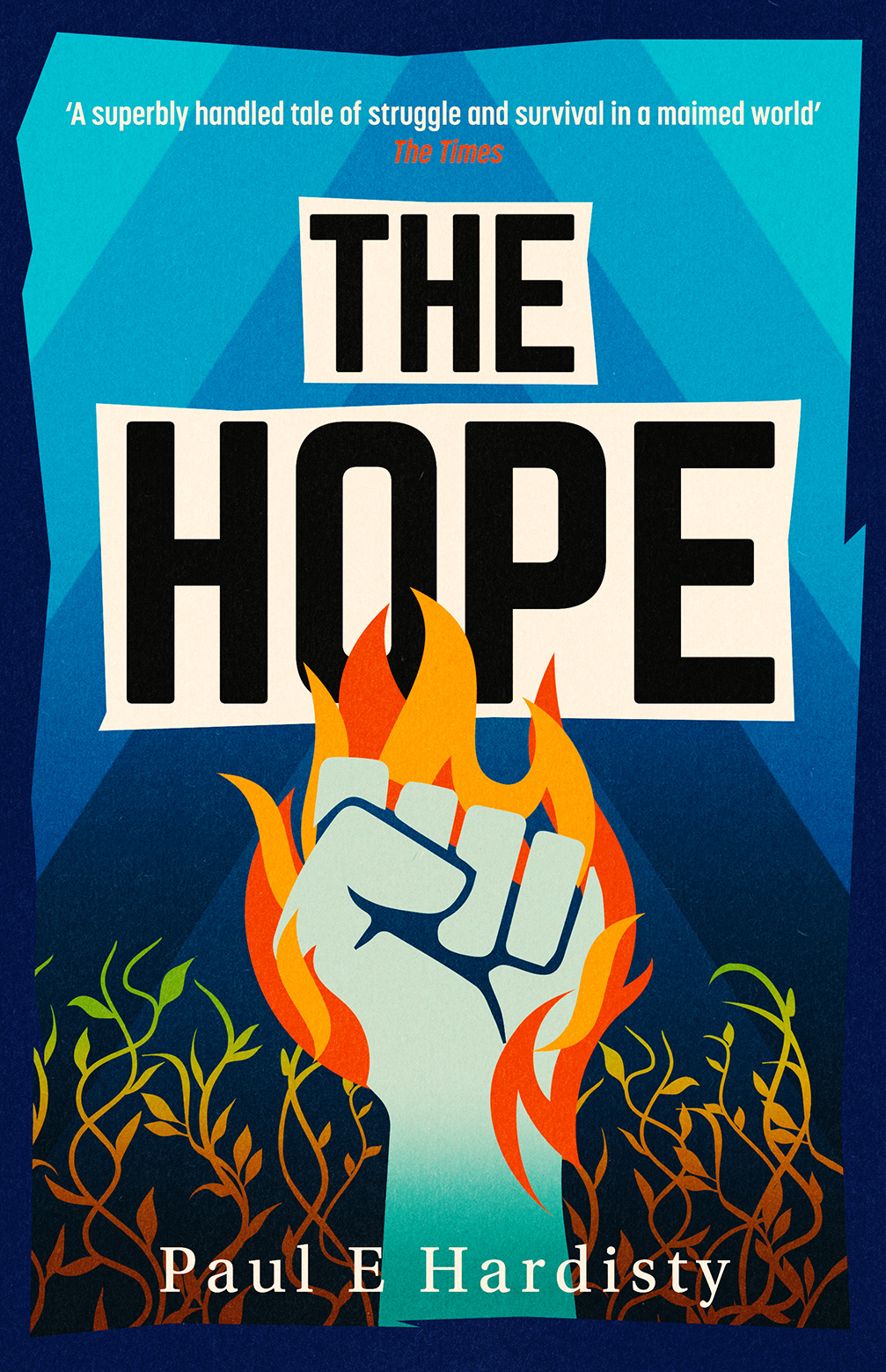
I’ve read both The Forcing and The Descent, which is helpful when reading and reviewing The Hope – the final book in the trilogy. Dystopian fiction is not my usual genre – in fact it is something I often avoid – but these books are something special. Set in the future (2082), The Hope warns us what could happen if we ignore the signs – now. In the original book, the earth had reached 13 billion inhabitants (didn’t they warn us that 7 billion was the ‘tipping point’?), fires were burning out of control, a third of the animals were extinct and the Youth leaders blamed everyone born before 1990. All those people were shipped off to be relocated, their assets stripped.
The Hope is split into two parts. Kweku, the main character in The Descent is talking to President Lachie Ashworth about what went wrong and documenting the answers. The most worrying thing is how close we are to this situation right now. The powers that be over the pond scrapped all green initiatives and climate control, pillaged the earth’s resources for its remaining fossil fuels, fished the seas till there was nothing left, but only keeping the best catches and destroying the rest, and making the billionaires even richer. Millions died.
But the book opens In Tasmania with Kweku’s niece Boo fleeing her home and their secret library, all that is left of people’s knowledge through history books and literature. The place is set on fire and she has to run to the place where Uncle said they would meet if this ever happened.
Boo, now 16, is the three-year-old child from The Descent, kidnapped earlier and the one that Kweku, his wife Julie and son Leo traversed the earth to find. She tells the story from her point of view. There is so much she has never seen in her short life – things that most 16-year-olds today take for granted, like TV and mobile phones. But she carries all the information in her head.
The Hope takes a bleak view of our future where climate change is dismissed as a scam, and wealth is more important than humanity. There are things that happen or are said that makes me wonder if the author is psychic or has some special power, because I keep wondering ‘how did he know that?’ Things that have happened since he finished the book. I’m in awe, I really am.
But if there is just one thing you can take away from this book, it’s the title – The Hope. Because one day that may be all that we have left, but if there is still hope then we have a chance.
Many thanks to @annecater for inviting me to be part of #RandomThingsTours
About the Author
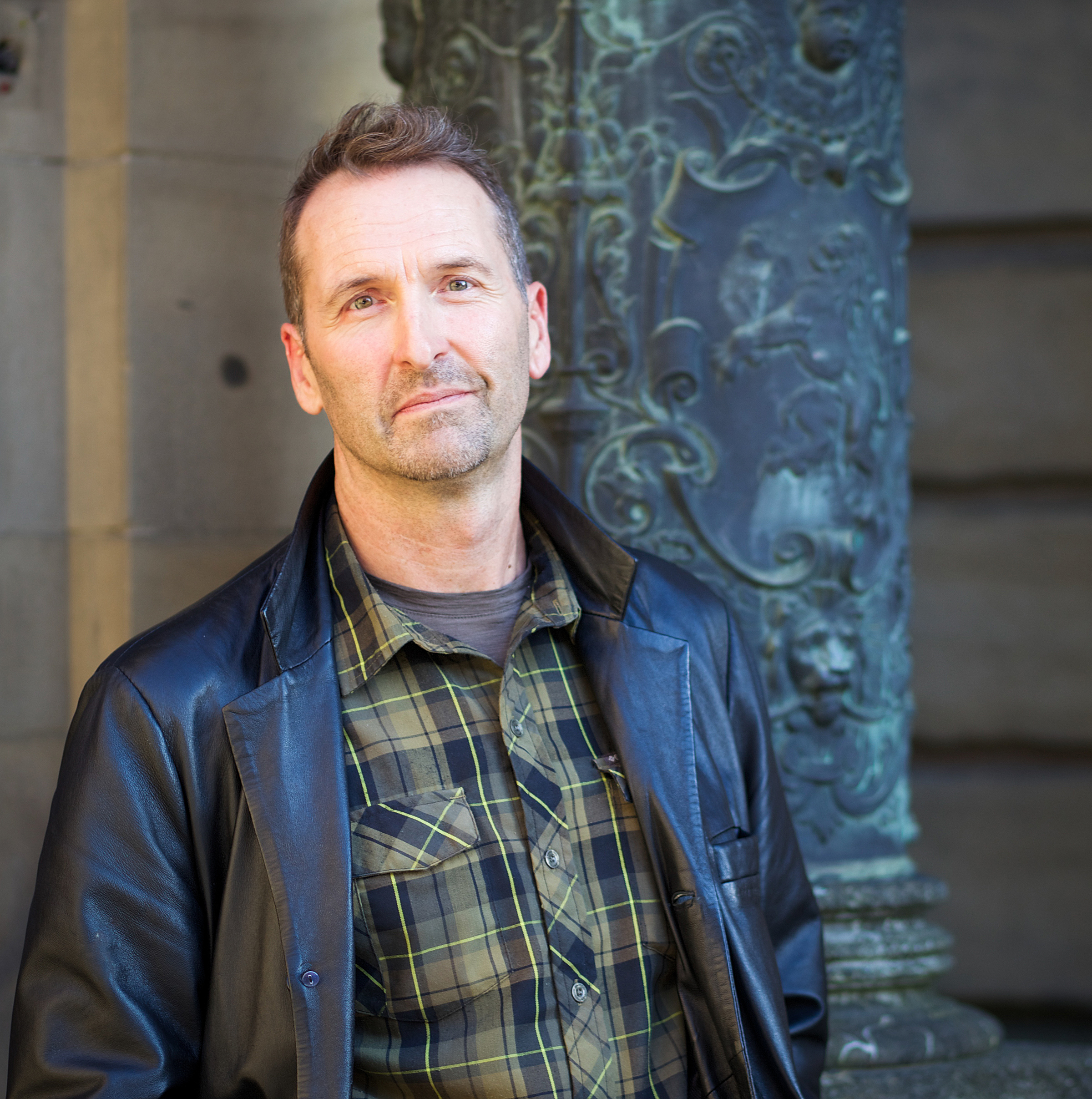
Canadian Paul Hardisty has spent twenty-five years working all over the world as an environmental scientist and freelance journalist. He has roughnecked on oil rigs in Texas, explored for gold in the Arctic, mapped geology in Eastern Turkey (where he was befriended by PKK rebels), and rehabilitated water wells in the wilds of Africa. He was in Ethiopia in 1991 as the Mengistu regime fell, survived a bomb blast in a café in Sana’a in 1993, and was one of the last Westerners out of Yemen at the outbreak of the 1994 civil war. In 2022 he criss-crossed Ukraine reporting on the Russian invasion. Paul is a university professor and CEO of the Australian Institute of Marine Science (AIMS). The four novels in his Claymore Straker series, The Abrupt Physics of Dying, The Evolution of Fear, Reconciliation for the Dead and Absolution, all received great critical acclaim and The Abrupt Physics of Dying was shortlisted for the CWA John Creasey (New Blood) Dagger and a Telegraph Book of the Year. Paul drew on his own experiences to write Turbulent Wake, an extraordinary departure from his high-octane, thought-provoking thrillers. Paul is a keen outdoorsman, a conservation volunteer, and lives in Western Australia.
About Orenda Books
Orenda Books is a small independent publishing company specialising in literary fiction with a heavy emphasis on crime/thrillers, and approximately half the list in translation. They’ve been twice shortlisted for the Nick Robinson Best Newcomer Award at the IPG awards, and publisher and owner Karen Sullivan was a Bookseller Rising Star in 2016. In 2018, they were awarded a prestigious Creative Europe grant for their translated books programme. Three authors, including Agnes Ravatn, Matt Wesolowski and Amanda Jennings have been WHSmith Fresh Talent picks, and Ravatn’s The Bird Tribunal was shortlisted for the Dublin Literary Award, won an English PEN Translation Award, and adapted for BBC Radio Four ’s Book at Bedtime. Six titles have been short- or long-listed for the CWA Daggers. Launched in 2014 with a mission to bring more international literature to the UK market, Orenda Books publishes a host of debuts, many of which have gone on to sell millions worldwide, and looks for fresh, exciting new voices that push the genre in new directions. Bestselling authors include Ragnar Jonasson, Antti Tuomainen, Gunnar Staalesen, Michael J. Malone, Kjell Ola Dahl, Louise Beech, Johana Gustawsson, Lilja Sigurðardóttir and Sarah Stovell.

 Bookchatter@Cookiebiscuit