
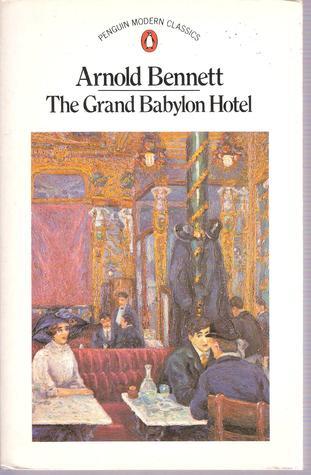
Nella, daughter of millionaire Theodore Racksole, orders a dinner of steak and beer at the exclusive Grand Babylon Hotel in London. Her order is refused, so Theodore promptly buys the chef, the kitchen and the whole hotel. But when hotel staff begin to vanish and a German prince goes missing, Nella discovers that murder, blackmail and kidnapping are also on the menu. A rollicking murder mystery from one of the finest writers of the last century.
My Review
Last month I joined a book club run by the U3A. I’ve been a member of book clubs before but not one of those where you all read the same book and then meet to discuss it. Online yes, but not actually in person.
We meet in the upstairs room of our local professional theatre and order a tea or coffee as payment for using the room. After my first meeting where we discussed a book I’d luckily already read, albeit in 2017, so I barely remembered it, this time I would actually have to read The Grand Babylon Hotel. And so I did.
I really enjoyed it though the language is so old-fashioned that it took some getting used to.
“…could never know a tithe of the extraordinary and queer occurrences that happened daily under his very nose: the atmosphere of such a caravanserai must necessarily be an atmosphere of mystery…”
I also wanted it get a move on at times – modern books tend to be more fast-paced.
American millionaire Theodore Racksole and his daughter Nella arrive at The Grand Babylon Hotel and she orders a dinner of steak and beer. The order is refused, so Theodore buys the hotel instead. This includes the chef Rocco, head waiter Jules and clerk Miss Spencer.
In the adventure that follows we encounter two princes from the fictitious kingdom of Posen, a dead body, plenty of mystery and intrigue, a Jewish money-lender, kidnapping and a trip to Ostend. What can it all mean and who now wants to kill Prince Eugen? And of course why? Nella is fearless and clever and most of the story revolves around her.
It’s a veritable romp, written in short chapters, making it suitable for serialisation. Audiences at the time of publication (1902) weren’t particularly worried about credibility and this makes it more entertaining if somewhat far-fetched. I’m not sure whether I would read more literature written in the Edwardian period but it was well worth the one-off experience.

 Bookchatter@Cookiebiscuit