
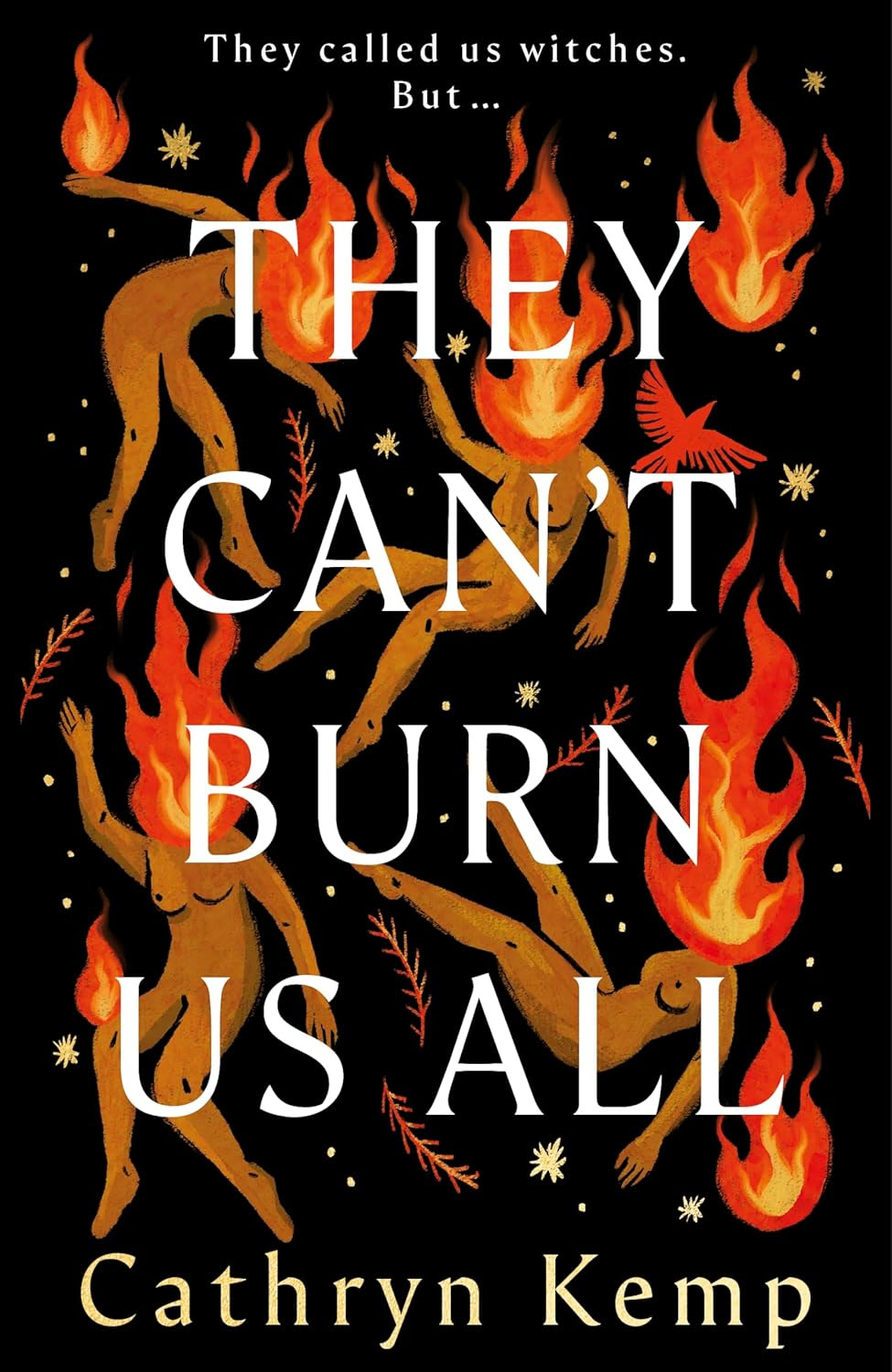
From the award-winning author of A Poisoner’s Tale comes a dark, feminist retelling of the most famous witch trial in 17th-century Iceland, perfect for fans of The Witches of Vardo and The Mercies
Westfjords, Iceland. 1655
Þuríður Jónsdóttir has grown up praying to the old gods and watching her father and brother practise rune magic.
But now, a witch-hunting craze is sweeping across the land of ice and fire, fuelled by the Protestant Reformation. Unlike elsewhere in Europe, those condemned as witches here are not women, but men of learning. And when Þuríður’s father and brother are accused of witchcraft and condemned to burn at the stake, she is helpless to save them.
#TheyCantBurnUsAll X/Twitter @cathrynkemp #bantambooksuk #RandomThingsTours @annecater @RandomTTours
Instagram @cathryn_kemp @bantambooksuk @randomthingtours #blogtour #Iceland
As Lutheran Pastor Jón Magnússon’s accusing gaze turns to Þuríður herself, the first woman to be called ‘witch’, he will find that she is no ordinary woman.
She is prepared to fight back. But at what cost?
And in an age of fear and persecution, whose side will the community take? Who will fight for justice?
Set against a backdrop of sweeping religious and social change, They Can’t Burn Us All is a feminist retelling of Iceland’s notorious Kirkjuból witch trials.
My Review
There is a horrifying chapter in this book that will probably haunt me forever, and it’s mentioned at least three times. But setting that aside, I thought They Can’t Burn Us All was amazing, wonderfully written and immaculately researched. I’ve read a lot of novels set in Iceland from modern Scandi noir to a book about Scottish women in the 1800s sent there to repent their sins.
But this is set 200 years earlier, during the sweeping witch hunts that took place all over Europe, except in Iceland it was different. Elsewhere, witches were almost all women, with almost 60,000 being put to death for witchcraft. In Iceland, they were all men. Women were not educated, most couldn’t read or write, so were deemed incapable of being witches and casting spells and curses.
Þuríður Jónsdóttir’s father and brother have been accused of witchcraft by Lutheran Pastor Jón Magnússon. He claims they have put a curse on him and deserve to die by fire. But when it makes no difference, the Pastor turns on Þuríður, accusing her of practising witchcraft herself. It becomes an obsession.
This is the first time a woman has been accused and what follows is almost as horrifying as the aforementioned chapter. But will the community come together to defend her as they failed to do with her father and brother?
While They Can’t Burn Us All is a work of fiction, it is based on the notorious Kirkjuból witch trials of 1656. The author tells us that while some of the characters are ‘real’ based on actual historical figures, their portrayals are fictitious, as are many of the events that surrounded them.’ The place names are all real, though Kirkjuból no longer exists.
Many thanks to @annecater for inviting me to be part of the #TheyCantBurnUsAll #blogtour
About the Author
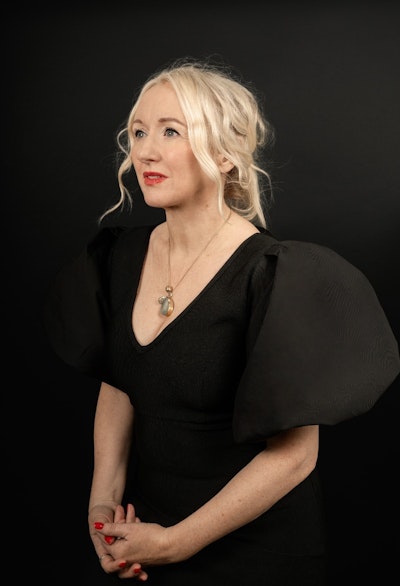
Cathryn Kemp is a Sunday Times bestselling ghostwriter and author, with a prolific career writing celebrity, inspirational, true crime, addiction and nostalgia titles. Her personal memoir Coming Clean won the Big Red Read Prize for Non-Fiction.
A Poisoner’s Tale is her first foray into historical fiction. When not researching dark, dangerous and beguiling women from history, Cathryn can be found on the south coast with her son and her familiar, a ginger cat called Gingey.


Pingback: My Top 10 Books of 2026 – Part Three – Bookchatter@Cookiebiscuit