
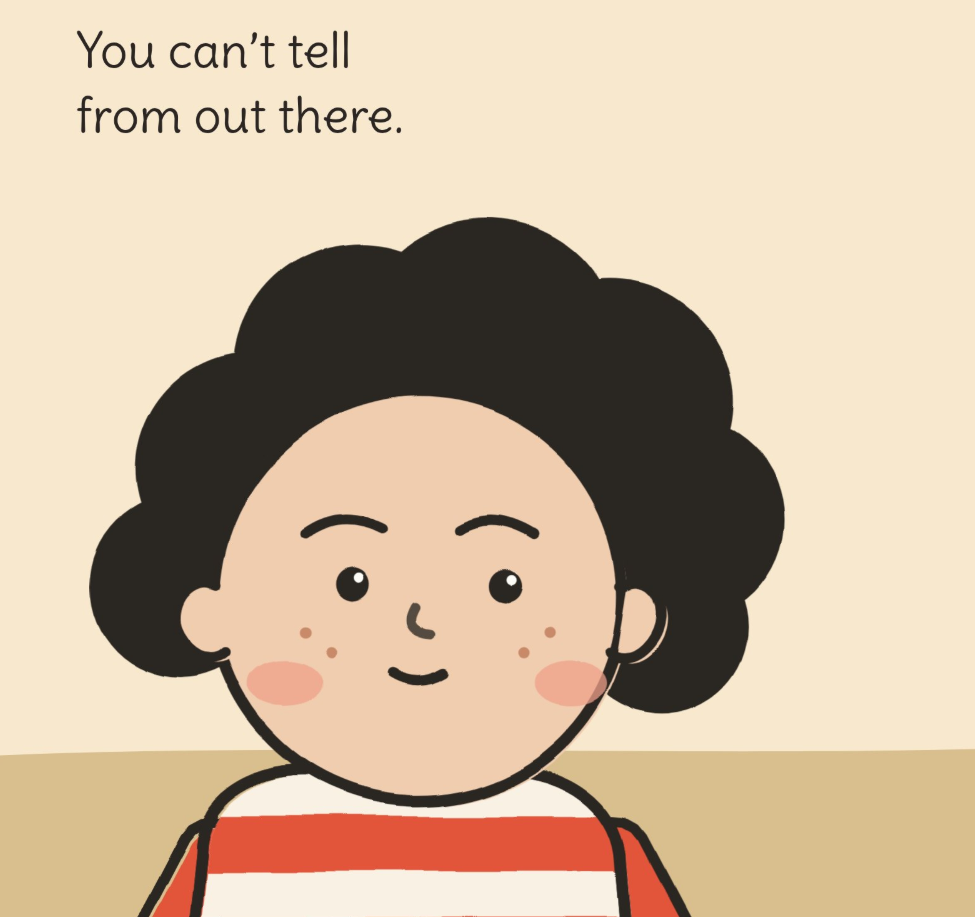
You can’t tell from out there.
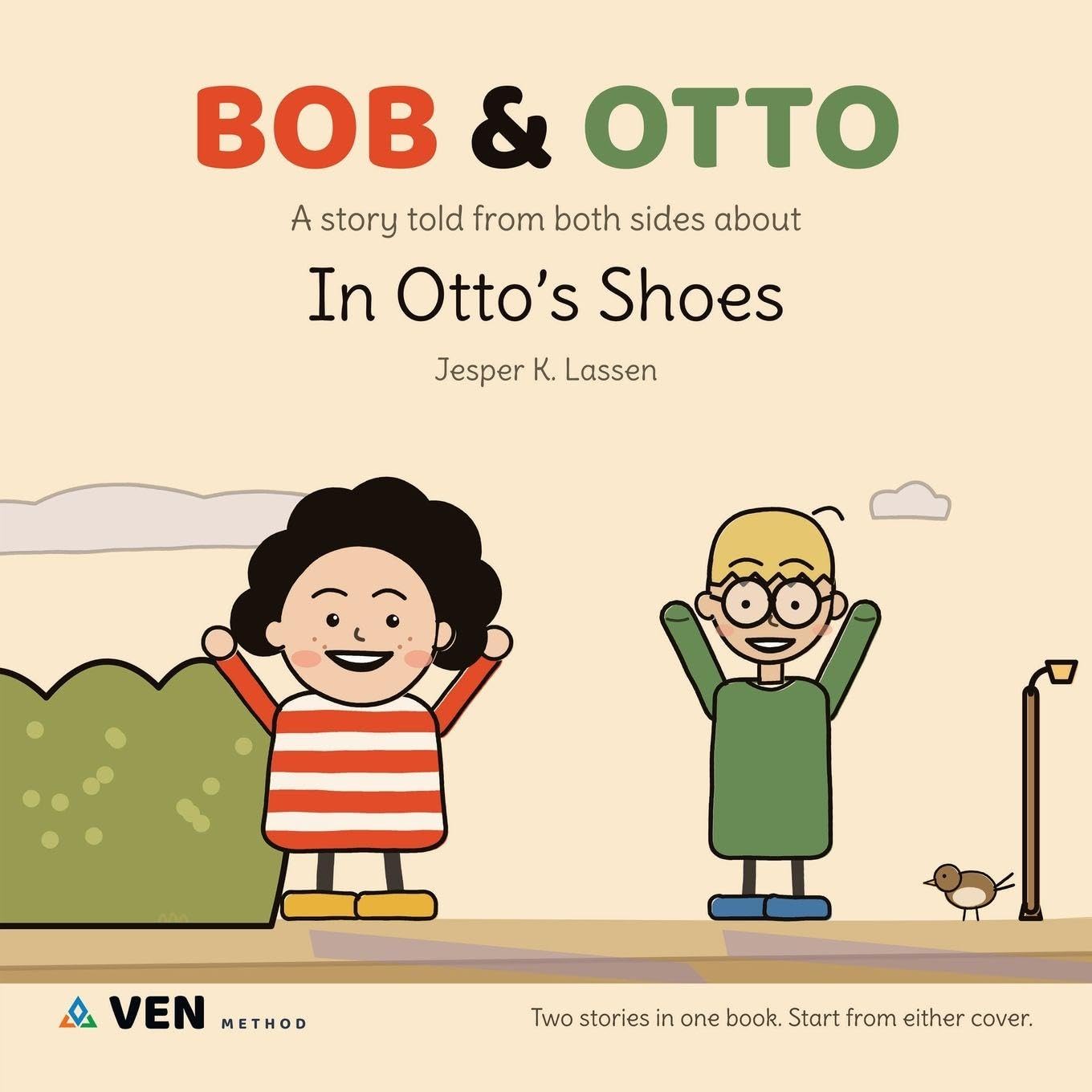
Two stories in one book. Read In Otto’s Shoes forward and it is Bob’s walk home; turn it over – the back cover is In Bob’s Shoes – and read it back to the front for Otto’s.
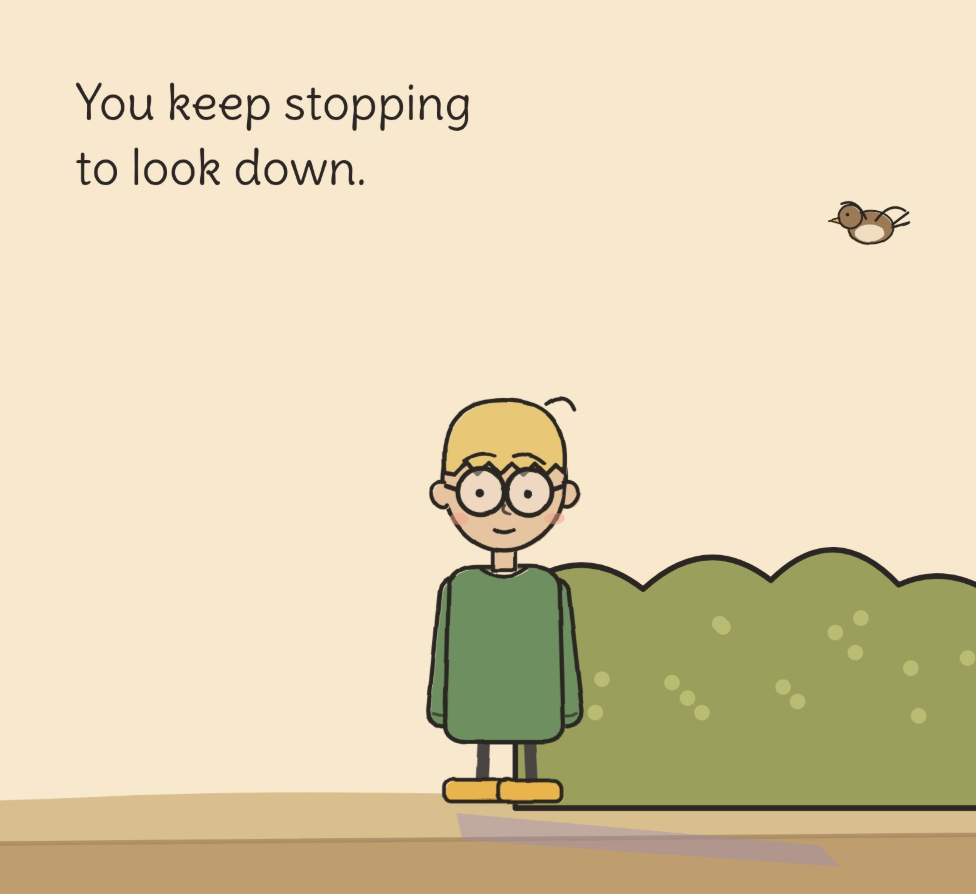
Otto’s new shoes hurt, and he keeps stopping to look down. Bob guesses – a stone? too small? – and cannot tell from out there. So halfway home they swap. Every page after the middle mirrors one before it with the shoes on the other boy’s whichever way you read, you watch your friend hurt first, and then you feel it yourself.
An empathy picture book for ages 4 to 8 that makes the oldest idea about walking in someone else’s shoes literal enough for a four-year-old. One question to ask at the end – what could Bob not tell from out there?
Opens and closes on the same I like your shoes.
Book 5 of Bob & Otto, by Jesper K. Lassen. From VEN Method – social-emotional learning that builds connection and community in classrooms and at home.
How a two-way book works: One book. Two sides. The same words, read both ways.
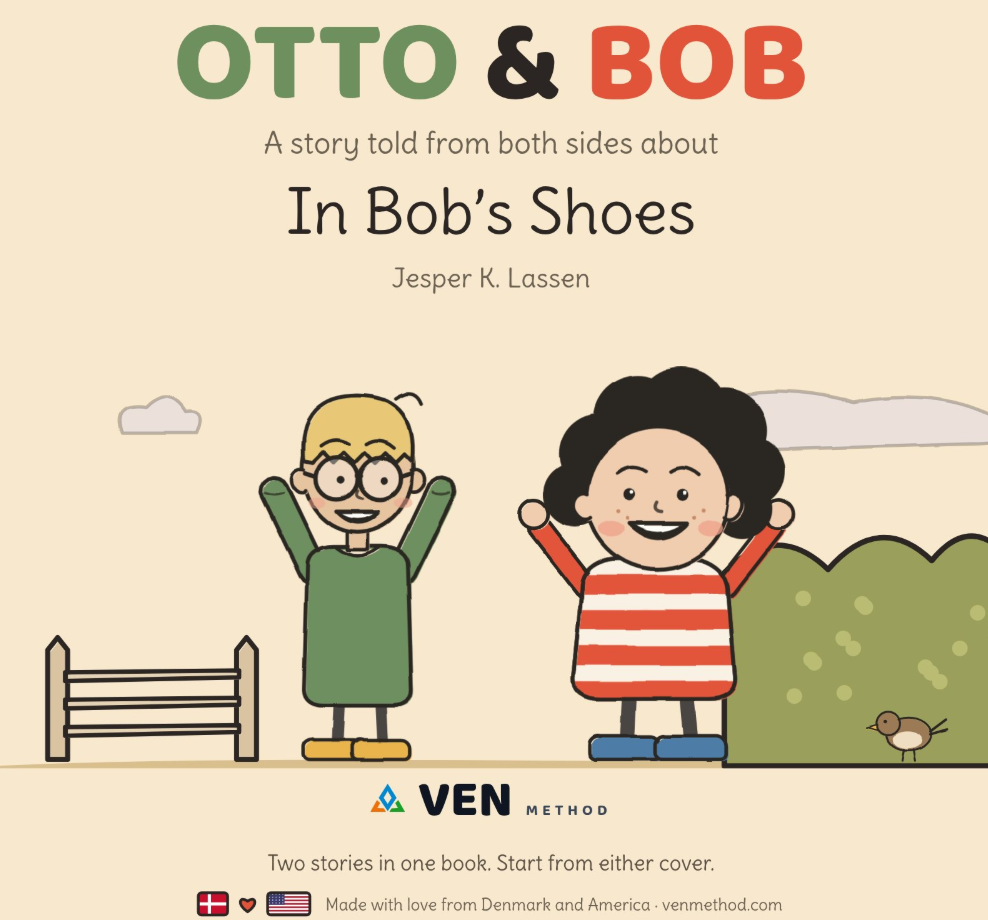
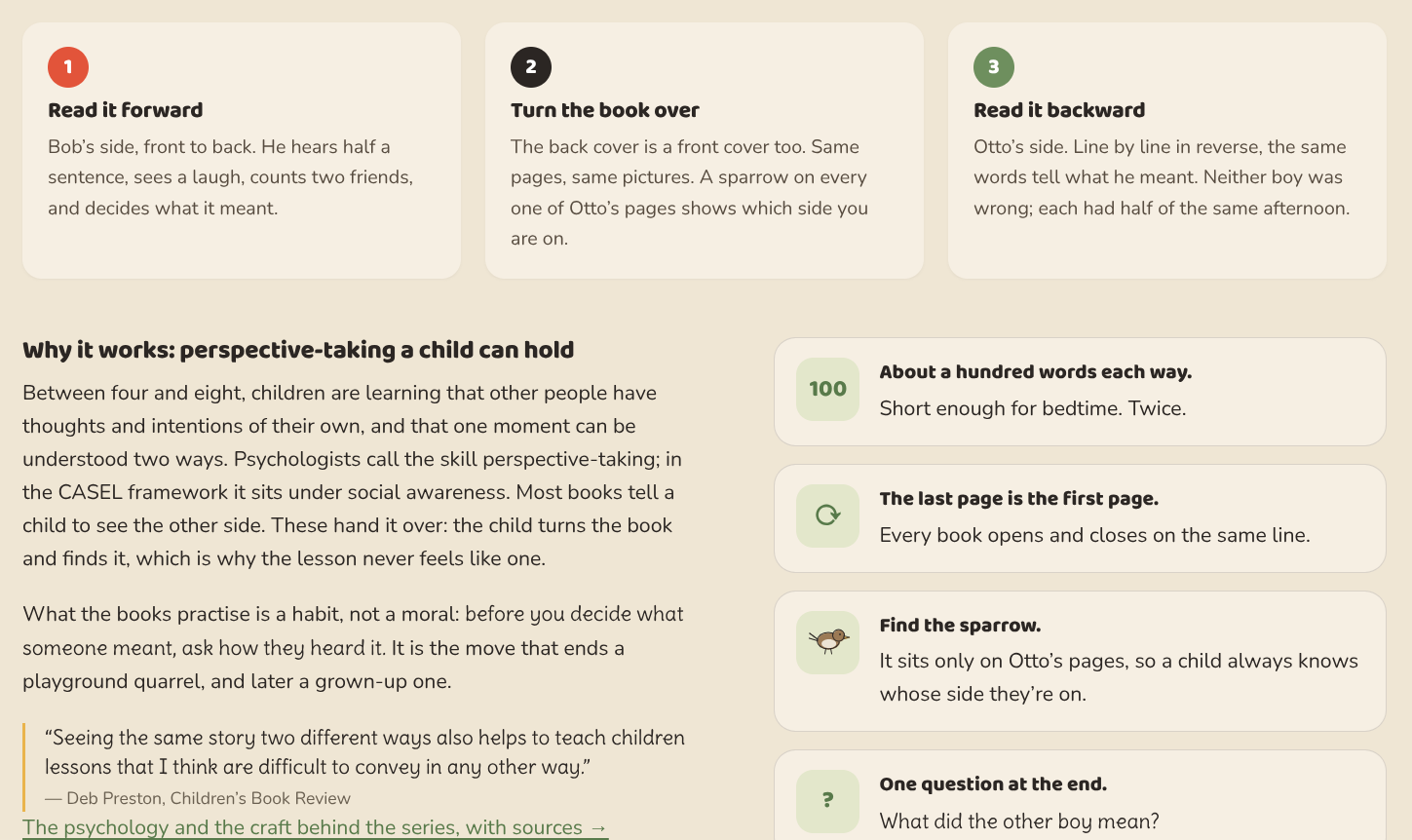
Every Bob & Otto book is a reverso: the lines are printed once and read twice. Forward, in order, they are Bob’s story. Backward, in reverse order, the very same lines are Otto’s. Nothing is hidden on a second page. The other side was there all along; it just hadn’t been read that way yet.
Why it works: perspective-taking a child can hold
My Review
In Otto’s Shoes helps young children understand things from someone else’s point of view. Otto’s new shoes hurt him, but it’s easier for Bob to understand how that feels by swapping shoes and experiencing Otto’s pain.
The structure of the book is what makes it unique. Start from the front and it’s Otto’s story, but start from the back and it’s Bob’s. I love the little sparrow that appears every time it’s Bob’s page.
It’s such a great idea and will be easy for very young children (as young as four) to understand the concept of ‘walking in someone else’s shoes’.
There are five books in the series.
Book One: Half a Sentence is a perspective-taking picture book about the thing every child hearing part of something and carrying the rest home. One question to ask at the end – what did the other boy mean?
Book Two: The Laugh is about about the moment a child decides what something meant and stops listening. Read the other way, the same laugh means something else.
Book Three: Room For Three explores the arithmetic children do in a playground – counting who is with whom, and deciding there is no room for them.
Book Four: Goodnight Otto is the quietest book in the series, and is a bedtime read-aloud. What went wrong is never named – with children it often isn’t. One question to ask at the end – why did Otto go quiet?
Many thanks to the author for gifting me review copies of the Bob & Otto series. In Otto’s Shoes is Book 5 in the series.
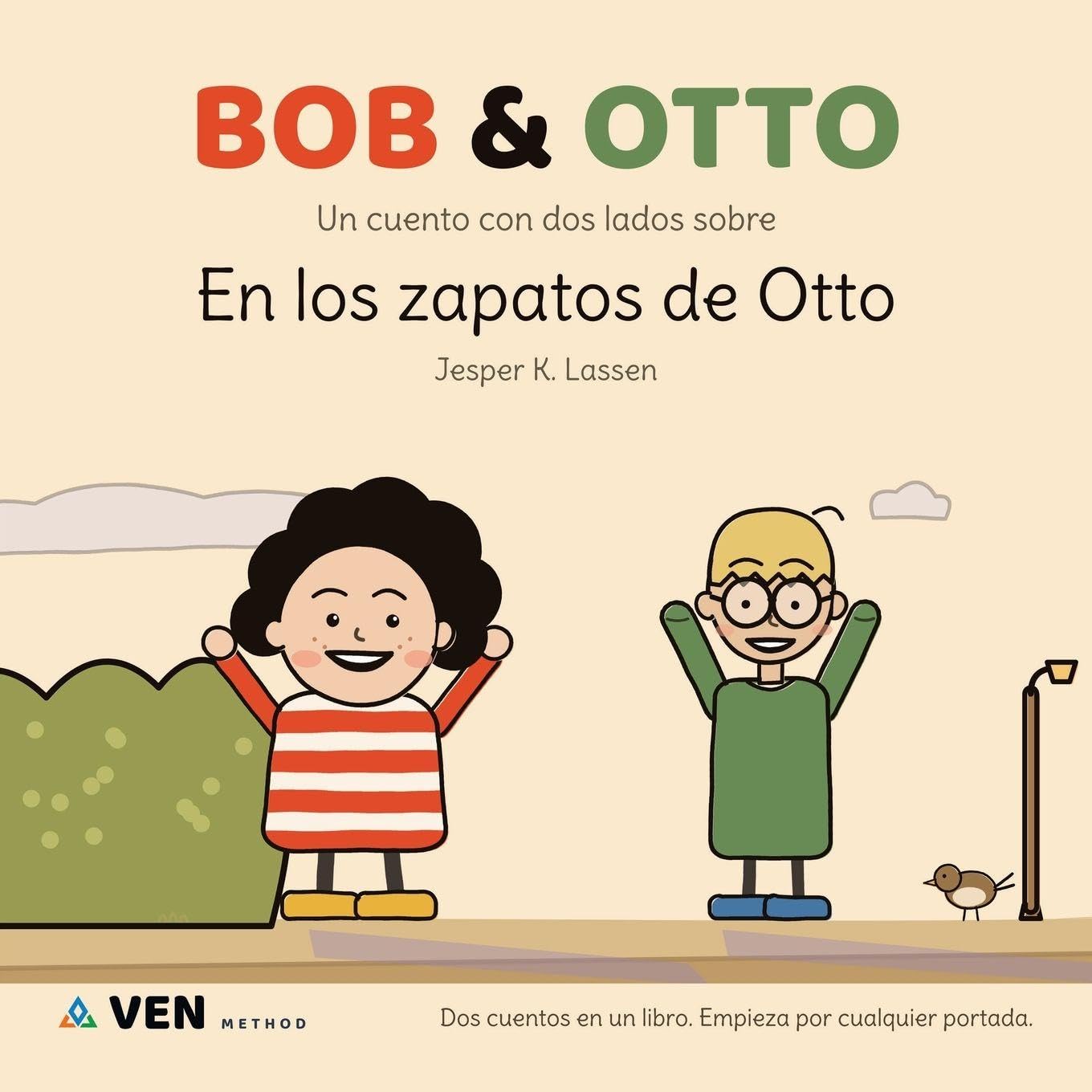
Bob & Otto: In Otto’s Shoes is also available in Spanish.
About the Author
Jesper K. Lassen has been on a stage since he was seven years old. He is a mentalist — more than a thousand performances, and his own documentary series on Danish national television.
He is the founder of VEN Method, a social-emotional learning company built on one idea: connection is something children can be taught, and most of us were left to pick it up by luck. VEN Method builds connection and community in classrooms and at home — a whole group around one shared thing, in place of individual screen time.
He wrote the Bob & Otto books so the youngest readers could practice the same thing on paper, with a grown-up: hear one side, turn the book over, hear the other, and ask.
Jesper K. Lassen is Danish. VEN Method is based in Texas.

About VEN Method
VEN Method is a social-emotional learning company that builds connection in classrooms and at home. It publishes the Bob & Otto picture books and The Connection Protocol, a classroom practice published free in full at venmethod.com. “Ven” is Danish for “friend.” VEN Method is registered in the United States and works with partners in Texas.
Social Media Links
@danishmentalist
Book Links
www.goodreads.com
www.amazon.co.uk


