
This is a news broadcast from Martha Weedy: ‘Are squirrels taking over the world’ is the first report in this weird and wonderful broadcast. (I hope so. I’m a huge squirrel fan and have just returned from three days on Brownsea Island – a red squirrel sanctuary off the coast of Dorset).
A riot caused by a wool shortage has led to a street brawl between a knitting club and a crochet club. That would have been a sight to see.
Then comes Bob Rising with an unusual tale to tell. Working in his garden one night (Bob doesn’t like the sunshine) attending to his aubergines, he was attacked and kidnapped. But not by aliens, but by magical garden gnomes who wanted to carry out experiments on him.
Dennis Rington – the author of Things That Go Bump in the Night – is fascinated by gnomes and wants to meet them.
Bob says they look at him funny now. He is worried they might destroy his cabbages.
Hilarious and definitely surreal, this is one of my favourites.
Written and Directed by Emmeline Braefield
With
Pippa Meekings as Martha Weedy
Rob Keeves as Bob Rising
and
Ashley Shiers as Dennis Rington
Produced by Cat on a Piano Productions
The Theatrephonic Theme tune was composed by Jackson Pentland
Performed by
Jackson Pentland
Mollie Fyfe Taylor
Emmeline Braefield
Cat on a Piano Productions produce and edit feature films, sketches and radio plays.
Their latest project is called @Theatrephonic, a podcast of standalone radio plays and short stories performed by professional actors. You can catch Theatrephonic on Spotify and other platforms.

For more information about the Theatrephonic Podcast, go to catonapiano.uk/theatrephonic, Tweet or Instagram @theatrephonic, or visit their Facebook page.
And if you really enjoyed this week’s episode, listen to Theatrephonic’s other plays and short stories and consider becoming a patron by clicking here…
+ childhood, community, family, fiction, friendship, Historical fiction, jewish history, jews, literature, love, marriage, memoir, motherhood, religion, review, tradition
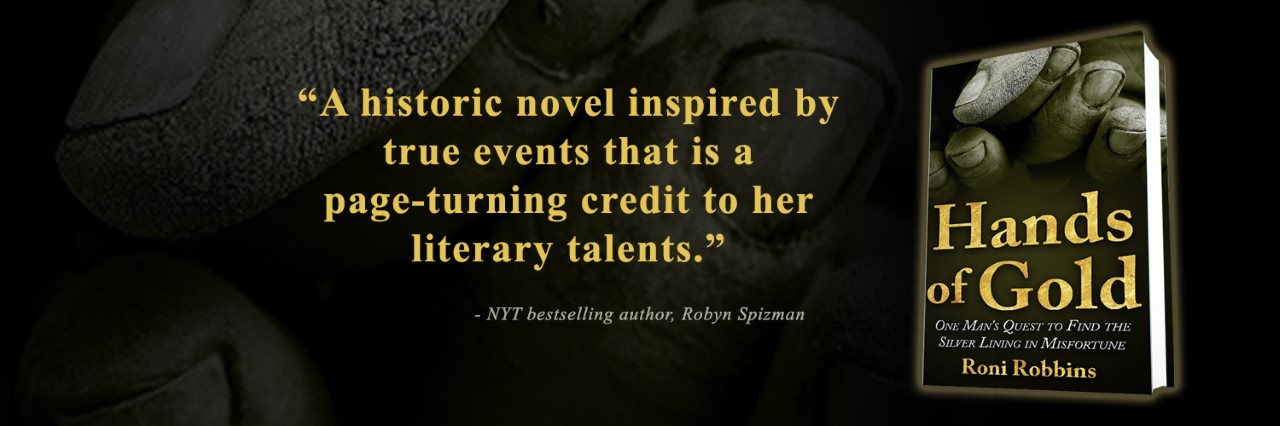
Hands of Gold by Roni Robbins
Will Sam purge his guilty conscience before it’s too late? Will he atone for his offences and find solace in the final countdown?
Sam Fox spent his whole life running against the hands of time. He is now racing to set the record straight about secrets he and Hannah, his wife of 65 years, have been harbouring from their children and each other.
#HandsofGold @ronirobbins @AmsterdamPB #RandomThingsTours @annecater @RandomTTours #blogtour Instagram @handsofgoldnovel

Hands of Gold, loosely based on real events, follows Sam on a journey that takes him from war-torn Europe at the turn of the 20th century, through the Great Depression and labour union reforms in America. Determined to make a lasting mark in his new homeland, Sam faces many hardships, not the least of which includes contracting tuberculosis, but he refuses to let this deter him from his ambitions. During a seemingly mundane workday, he shields 200 coworkers from a disgruntled gun-wielding employee. His actions saved the lives of many, making his escape from the notorious Auschwitz concentration camp – wherein his family suffered a deadly fate – a destined event.
As Sam comes to grips with his past, a gold watch from his grandmother, lost and buried during the Holocaust, will find its way back to him. Through this and other blessings, Sam learns to find the silver lining in his everyday struggles by holding onto his loved ones, along with a little self-reliance and even a few miracles.

My Review
Life was tough for a poor Jewish farming family in Eastern Europe at the turn of the century. Sam was born soon after into a very large family. Even the children worked to feed and clothe everyone. His older brothers and sisters had already emigrated to America and Sam is determined to follow. But that would mean breaking the law as he would be seen as avoiding the draught.
Eventually he makes it to Canada where he meets Hannah, his wife of 65 years. But Hannah lives in New York and only sees Sam when she visits her family in Montreal. For Sam to join her he must slip across the border illegally as he has no papers or passport. But having made it thus far, a little problem like that is not going to defeat him!
We follow Sam and Hannah though their successes, their failures, reasonably well off one day, poor as synagogue mice the next. We are there at the births of their five children, then their grandchildren and finally their last moments.
One thing that amazed me was how many times the family moved house. I’m exhausted just thinking about it. Seven years in our first home. Twenty-four in the second and just coming up to ten years in the house we have now. They seemed to move every couple of years.
There’s a chapter where Sam is in a coma for the third time. He’s had TB for many years and has been given an experimental drug – streptomycin. At one point he has a dream. Everywhere is dark apart from a light up in the air. A baby comes to him and says ‘…we have to go out where it’s light. It’s too dark over here. Come with me Daddy. We have to go home.’ He says his little Eliza rescued him.
My father was a prisoner-of-war in Siberia. He later became ill with TB. Many years later he suffered a heart attack. It was dark and he was going towards the light (it’s more usual for those having a near death experience to say they were being drawn towards the light). He heard my youngest son (then about 6 years old) say to him ‘Come back. It’s not your time.’ And he woke up. Like Sam I can barely talk about it without choking up. My mother also had TB in the early 70s. I had to be checked every six months like Sam’s children when he became ill.
A historical novel inspired by true events, Hands of Gold could represent the lives of so many impoverished Jewish families throughout the 20th century. I would say my mother’s included, but her family were wealthy and didn’t leave Europe until the late 1930s to come to England. However, there was so much in this story that I recognised and could relate to. Even if you know very little about the Jews (apart from their persecution during the Second World War), I’m sure you will find this book as fascinating as I did.
Many thanks to @annecater for inviting me to be part of #RandomThingsTours
About the Author
Hands of Gold capitalizes on award-winning author Roni Robbins’ 35 years as a published writer. Currently an editor/writer for Medscape/WebMD after serving as associate editor of the Atlanta Jewish Times/The Times of Israel, she has a seasoned history as a staff reporter for daily and weekly newspapers and as a freelancer for national, regional and online publications.
Robbins’ freelance articles have appeared in The Huffington Post, Forbes, the New York Daily News, Adweek, WebMD and Healthline. She wrote for the Mother Nature Network; The Forward; FromTheGrapevine; and Hadassah magazine, among others. Robbins was also a staff writer for Florida Today/USA Today, The Birmingham News and the Atlanta Business Chronicle/American City Business Journals.
In addition to major CEOs and politicians, she has interviewed such celebrities as Wolf Blitzer, Andy Gibb, Hank Aaron and Usher.
In 2009, Hands of Gold was a quarterfinalist for historical fiction in the Amazon Breakthrough Novel Award contest. Robbins also won three Simon Rockower Awards for Jewish journalism from the American Jewish Press Association, including an investigative piece about Jewish seniors who feel “Out of Touch” in nursing homes. Other prestigious news-writing awards come from The State Bar of Georgia, the Alabama Associated Press and the South Carolina Press Association.
Hands of Gold is her first novel.

For more on Robbins and her writing career, visit www.ronirobbins.com.
+ crime fiction, dementia, Detective novel, fiction, murder, police drama, police procedural, rape, review, Scandi noir, Sweden, thriller
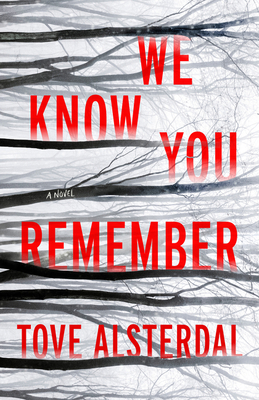
We Know You Remember by Tove Alsterdal
A missing girl, a hidden body, a decades-long cover-up, and old sins cast in new light: the classic procedural meets Scandinavian atmosphere in this rich, character-driven mystery, awarded Best Swedish Crime Novel of the Year, that heralds the American debut of a supremely skilled international writer.
It’s been more than twenty years since Olof Hagström left home. Returning to his family’s house, he knows instantly that something is amiss. The front door key, hidden under a familiar stone, is still there. Inside, there’s a panicked dog, a terrible stench, water pooling on the floor. Upstairs in the shower, the father Olaf has not seen or spoken to in decades is dead.
For police detective Eira Sjödin, the investigation of this suspicious death resurrects long-forgotten nightmares. She was only nine when Olof Hagström, then fourteen, was found guilty of raping and murdering a local girl. The case left a mark on the town’s collective memory—a wound that never quite healed—and tinged Eira’s childhood with fear. Too young to be sentenced, Olof was sent to a youth home and exiled from his family. He was never seen in the town again. Until now.
An intricate crime narrative in which past and present gracefully blend, We Know You Remember is a relentlessly suspenseful and beautifully written novel about guilt and memory in which nothing is what it seems, and unexpected twists upend everything you think you know.
My Review
There’s something about Scandi noir that makes it different from our own crime novels and police procedurals. It’s stripped back, realistic, never shies away from anything. It’s quite ‘hard’ though I’m not sure how to explain what I mean by that. The hero or heroine is usually tired, in or out of a messy relationship, drinks too much, has been around the block a few times. The women are rarely followers of fashion, don’t wear heels or make-up and have one-night stands with slightly suspect partners. The atmosphere is dark and murky. And they hunt animals like elk and reindeer. Poor Rudolph.
Cue police detective Eira Sjödin. Single, looks after her elderly mother who suffers with dementia, she was nine years old when Olof Hagström, then fourteen, was convicted of raping and killing teenager Lina Stavred, though her body was never found. Olof confessed, but was he guilty? Sent to a juvenile detention centre he was never seen again until now, when he discovers his father’s dead body in the house where he lived as a child.
Who killed Olof’s father? How could Olof be innocent with so much stacked against him? There are so many horrible people convinced it was him, and just want it forgotten so they can get on with their miserable lives in peace. Never mind the truth.
I love Scandi Noir and I loved this book. It’s so intricately woven with numerous strands waiting to come together. I really didn’t want it to end. I hope we’ll hear more from Eira in the future.
Many thanks to The Pigeonhole and my fellow Pigeons for making this such an enjoyable read.
About the Author
Tove Alsterdal was born in Malmö, Sweden, and has worked as a journalist for over 20 years before she had her debut novel published.
The Rule of Two
A and B are discussing everything from fast food and capitalism to conspiracy theories. They are on a shift wondering why it’s taking so much longer than usual. We don’t know what they are looking out for. They have never seen anything. They don’t know what’s out there, if there is anything. They don’t even know each other’s names.
They are also discussing the rule of two. Why ‘greatness comes in pairing’. Even in a non-relationship, you keep each other focused. Stop each other from falling asleep. And if there are only two of you it is less likely that a conspiracy theory can spread, like the moon landing being a hoax.
It’s a bit ‘Waiting for Godot’. Enough said. But if you are a Patron (which I highly recommend) the Q & A explains it far better than me.
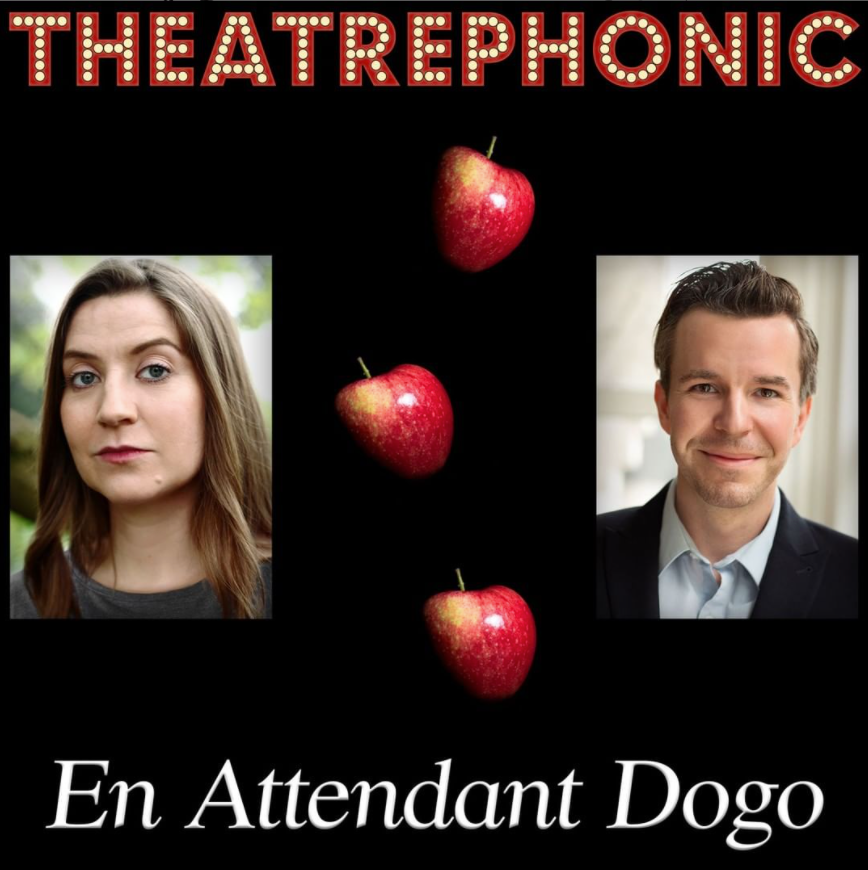
Written and Directed by Emmeline Braefield
With:
Emmeline Braefield as A
Ellis J Wells as B
Music:
Watch it by TrackTribe
Produced by Cat on a Piano Productions
The Theatrephonic Theme tune was composed by Jackson Pentland
Performed by
Jackson Pentland
Mollie Fyfe Taylor
Emmeline Braefield
Cat on a Piano Productions produce and edit feature films, sketches and radio plays.
Their latest project is called @Theatrephonic, a podcast of standalone radio plays and short stories performed by professional actors. You can catch Theatrephonic on Spotify and other platforms.
For more information about the Theatrephonic Podcast, go to catonapiano.uk/theatrephonic, Tweet or Instagram @theatrephonic, or visit their Facebook page.
And if you really enjoyed this week’s episode, listen to Theatrephonic’s other plays and short stories and consider becoming a patron by clicking here…
+ fiction, Gothic mystery, horror, jealousy, literature, love, mystery, obsession, review, secrets, supernatural, superstition, witchcraft
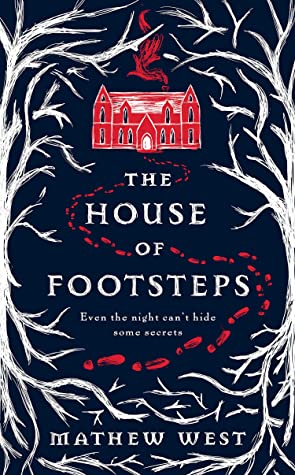
The House of Footsteps by Mathew West
It’s 1923 and at Thistlecrook House, a forbidding home on the Scottish border, the roaring twenties seem not to have arrived. But Simon Christie has – a young man who can’t believe his luck when he gets a job cataloguing the infamous art collection of the Mordrake family. Yet from the moment he gets off the train at the deserted village station he can’t shift a headache and a sense that there’s more to the House and its gruesome selection of pictures.
Simon’s host is glad of his company, but he gets the feeling the house is not so welcoming. As his questions about the Mordrakes grow, he finds answers in surprising places. But someone is not pleased that old secrets are stirring.
As night falls each evening, and a growing sense of unease roils in the shifting shadows around him, Simon must decide what he can trust and ask if he can believe what he sees in the dusk or if his mind is poisoned by what has happened before in this place between lands, between light and dark.
My Review
So many theories! So many wrong ideas! The joys of reading with my online book club The Pigeonhole.
I just loved this book, every single spooky, scary moment. Written in a dark and picturesque style with touches of Jane Eyre (‘reader I married him’) and the ambiguity of The Turn of the Screw, The House of Footsteps is both Gothic and horror fiction. Are the house, the grounds and the lake haunted? Is it all a figment of Simon’s imagination brought about by his somewhat nervous disposition? What is real and what is not?
It’s 1923 and young Simon Christie has landed his first job cataloguing the infamous Mordrake art collection at the oddly named Thistlecrook House, situated in a remote part of the Borders between England and Scotland. It’s a strange house and many of the artworks stored in the attic are quite horrific, reminiscent of the doom paintings you can still find in some old churches around Britain. Visions of hell, demons, sinners consumed by fire and being tortured in unimaginable ways. Imagine Hieronymus Bosch or Pieter Bruegel.
But there is also love and friendship, jealousy and obsession. This book is so up my street. I love a Gothic novel, the more supernatural the better. The only reason I didn’t give it 5 stars is because at times, it’s a little overlong, mainly due to Simon’s rambling introspection. 4.5 stars definitely.
Many thanks to The Pigeonhole and my fellow Pigeons for making this such an enjoyable read.
About the Author
Mathew West grew up in Aberdeenshire (and very briefly New Zealand). After a spell as a music journalist he now lives and works in Edinburgh as a civil servant. A keen horror film buff, his novels are born out of love of classic gothic fiction seen through modern eyes.

+ childhood, coming-of-age, family, female friendship, fiction, friendship, literature, love, review, secrets, seventies, University
Sugar and Snails by Anne Goodwin
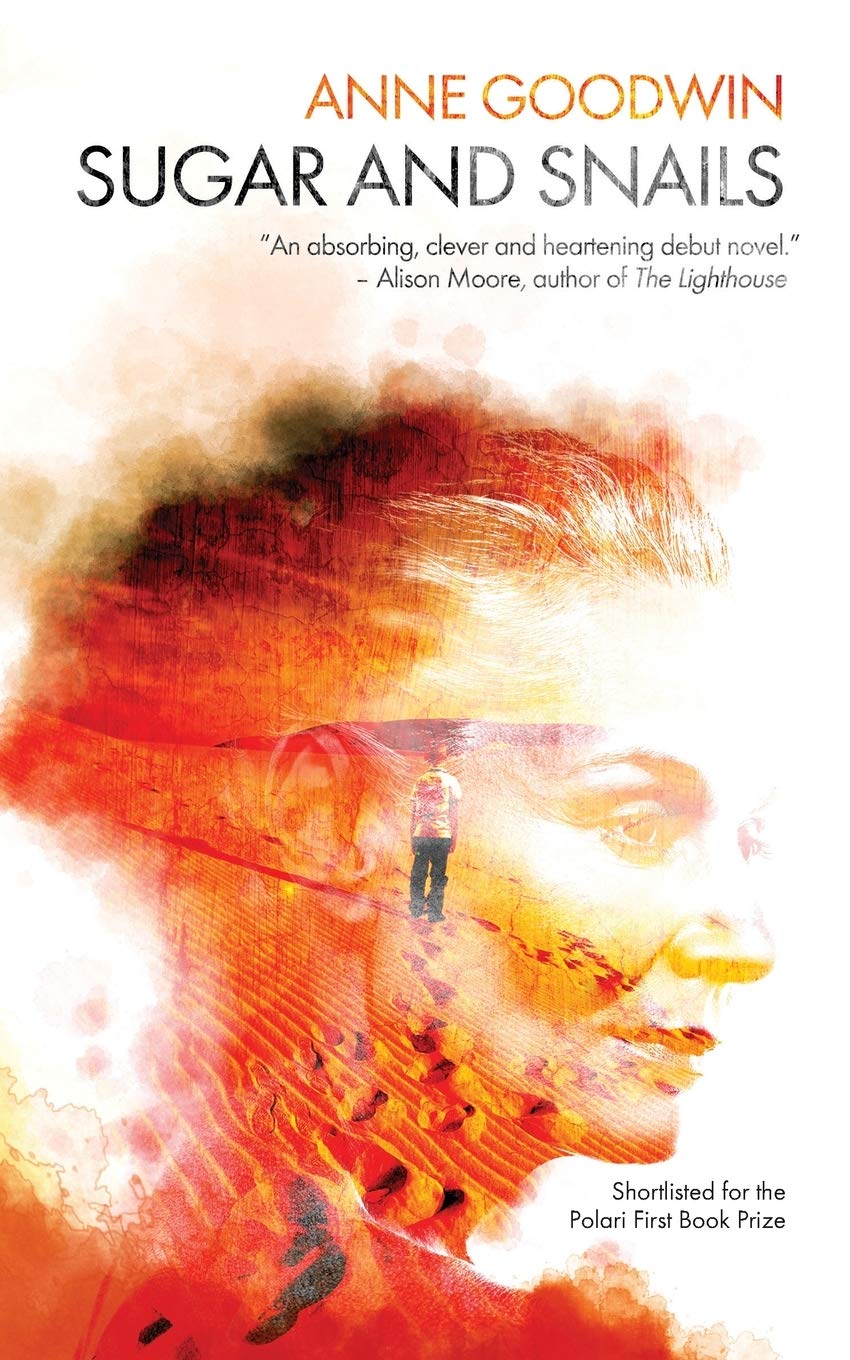
At fifteen, she made a life-changing decision. Thirty years on, it’s time to make another.
When Diana escaped her misfit childhood, she thought she’d chosen the easier path. But the past lingers on, etched beneath her skin, and life won’t be worth living if her secret gets out.
#SugarandSnails @Annecdotist @InspiredQuill
As an adult, she’s kept other people at a distance… until Simon sweeps in on a cloud of promise and possibility. But his work is taking him to Cairo, the city that transformed her life. She’ll lose Simon if she doesn’t join him. She’ll lose herself if she does.
Sugar and Snails charts Diana’s unusual journey, revealing the scars from her fight to be true to herself. A triumphant mid-life coming-of-age story about bridging the gap between who we are and who we feel we ought to be.
My Review
When I started reading Sugar and Snails I had no idea what Diana’s life-changing decision was and I made sure I didn’t read any spoilers. I didn’t guess either, though when I found out I was half-surprised and half not. Suddenly it began to make sense.
Beautifully and intelligently written, always engaging and emotional, this is a powerful book about love, sexuality, finding oneself and being different in an ever-changing world. There is so much more I would like to say but I don’t want to give anything away.
Diana, now a Psychology lecturer in Newcastle, appears relatively happy and content, living alone with her cat Marmaduke. But inside she is still hurting from the pain of her traumatic childhood. She keeps everyone at a distance emotionally, never giving anything away, not even to her best friend Venus, until she meets Simon and realises that she has to make a life-changing decision or lose him for good. But is she prepared to make that decision?
Diana’s story unfolds slowly but surely, unveiling secrets from her past and her present, until we finally meet the real person beneath the hidden and not so hidden scars. At times her story is painful to read and it’s hard to imagine what it must have been like to live a lie for so many years in a world that is so ready to judge.
Many thanks to Anne Goodwin for inviting me to be part of her online tour 2022.

About the Author
Anne Godwin writes entertaining fiction about identity, mental health and social justice. She is the author of three novels and a short story collection published by small independent press, Inspired Quill. Her debut novel, Sugar and Snails, was shortlisted for the 2016 Polari First Book Prize. Her new novel, Matilda Windsor Is Coming Home, is inspired by her previous incarnation as a clinical psychologist in a long-stay psychiatric hospital. Subscribers to her newsletter can download a free e-book of prize-winning short stories.

Website: annegoodwin.weebly.com
Twitter @Annecdotist
Facebook @Annecdotist
Instagram authorannegoodwin
YouTube: Anne Goodwin’s YouTube channel
Link tree https://linktr.ee/annecdotist
Amazon author page: viewauthor.at/AnneGoodwin
Publisher Inspired Quill
Review links
Amazon UK https://www.amazon.co.uk/review/create-review/?&asin=B010O8F9M6
Amazon US https://www.amazon.com/review/create-review/?&asin=B010O8F9M6
Goodreads https://www.goodreads.com/book/show/25865437-sugar-and-snails
Bookbub https://www.bookbub.com/books/sugar-and-snails-by-anne-goodwin
Goodreads
Bookbub
Book links (purchase and more information)
Ebook https://books2read.com/u/baaaBQ
Publisher Inspired Quill (paperback and e-book) http://www.inspired-quill.com/product/sugar-and-snails/
Linktree https://linktr.ee/sugarandsnails
Amazon UK https://www.amazon.co.uk/gp/product/B010O8F9M6/
Amazon US https://www.amazon.com/dp/B010O8F9M6/
Amazon India https://www.amazon.in/dp/B010O8F9M6/
Amazon Australia https://www.amazon.com.au/dp/B010O8F9M6/
Amazon Canada https://www.amazon.ca/dp/B010O8F9M6/
Trailer: https://www.youtube.com/watch?v=vnJ5pbhSLho&feature=youtu.be
Inspired Quill
Books2read
Linktree
+ cosy mystery, crime fiction, Detective novel, fiction, fishing, murder, murder mystery, police drama, revenge, review, thriller
Dead Drift by AJ Hill
Former Detective Inspector Jack Lunn is enjoying the quiet life. Twenty years on from being medically retired from the job with Hampshire Police, he’s earned his quiet routine of long walks in the New Forest.
However, Jack’s peace is shattered when he discovers the body of a friend and local landowner while on a fishing trip. Drawn into the investigation, he comes face to face with an old colleague, and the police investigation machine he thought he had left behind.
#DeadDrift #AndyHill @SpellBoundBks @Zooloo’s Book Tours @zooloo2008 #ZooloosBookTours #blogtour
As family secrets are exposed and a reporter takes an interest, Jack and his partner’s eldest daughter Gemma, a former military intelligence officer set to work to uncover who killed his friend.
As the body count rises, can they both unravel the mystery before it’s too late, or will Jack’s life be sacrificed as just so much dead drift.

My Review
The resolution to a murder case is hanging in the balance, but ex-copper Jack Lunn knows when the pieces just don’t fit together. Former colleague Superintendent Geoff Cooke thinks he’s tied it all up neatly. There is no love lost between them, but then Geoff happens to be married to Jack’s ex-wife. He is also a bit of a twat. Luckily senior officer Detective Chief Superintendent Rhona Blacklock is Jack’s number one fan. Apart from his new partner Sarah and her daughter Gemma, a former military intelligence officer.
Jack is no longer a police officer as an injury left him unable to continue in anything other than a desk job, but his interest in solving crime has never waned, even after 20 years. And the victim happened to be a friend, of sorts. However, most people found her obnoxious and overbearing and she certainly had enemies.
Having left the police force Jack worked as an estate agent, but his real love is fly fishing. So when he is made redundant, he starts hand-tying fancy flies and trying to sell them to three local tackle shops. I apologise if that doesn’t make sense but I know nothing about fishing (I have to admit I’m a bit anti).
Then another body turns up and things start to look more complicated.
This is a great read for those who want their murder mysteries a bit cosier, without too much blood and gore, just the odd body floating in the river and/or bashed over the head. And don’t you just love this sentence:
‘Lunn knew the the manure had connected with the air conditioning….’
Many thanks to @zooloo2008 for inviting me to be part of this blog tour.
About the Author
Born in West London, the middle of three boys, Andy won a scholarship to Lord Wandsworth College. He represented the school at most sports and also played rugby for Hampshire at Under 18 level. After university, working life began with H. M. Customs & Excise, mostly on Mobile Task Force Units and Rummage Crews out of Southampton. He then moved to the Police as a beat bobby in Dorset. He now works in property and lives in the South Downs, West Sussex. Often found at crime writing festivals and an avid reader, Andy regularly files reviews with the renowned crime fiction eZine Shotsmag.

You can see Andy chatting about writing and Dead Drift with renowned crime writing interviewer, Jacky Gramosi Collins (Dr Noir) for Noir At The Bar – Edinburgh via the link below.
Follow him at:
Facebook: https://www.facebook.com/whillandy
Instagram: https://www.instagram.com/andy28dec/
Buy Links
Amazon UK https://www.amazon.co.uk/Dead-Drift-gripping-thriller-Introducing-ebook/dp/B09PYXBQVM
Amazon US https://www.amazon.com/Dead-Drift-gripping-thriller-Introducing-ebook/dp/B09PYXBQVM
+ brothers, child abduction, crime fiction, Detective novel, DNA, fiction, loss, murder, police drama, revenge, review, secrets, thriller
Hangmans End by Michelle Kidd
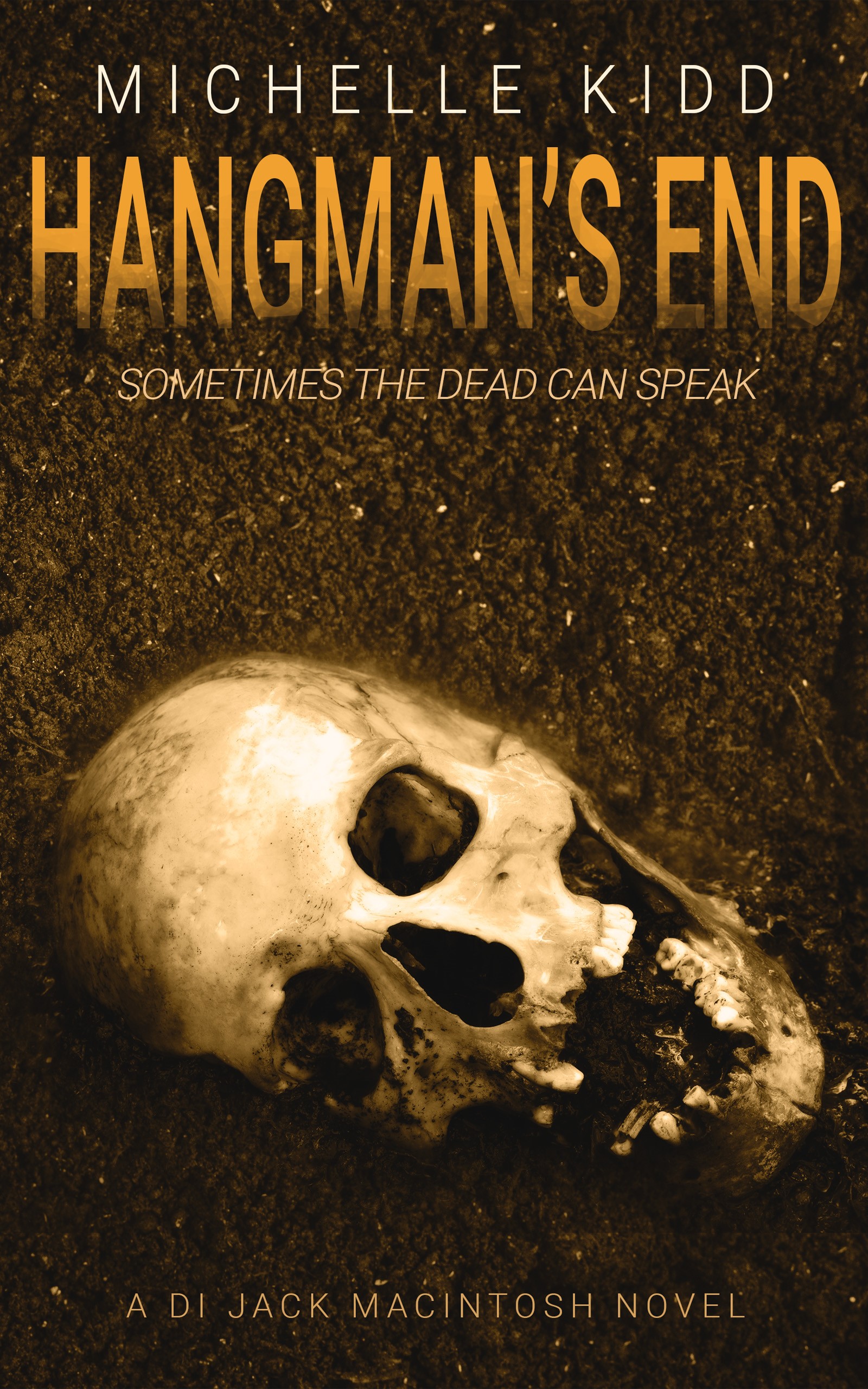
Two bodies…One bridge…Twenty years apart.
The discovery of two bodies beneath London Bridge plunges DI Jack MacIntosh and his team at the Metropolitan Police into two of the most complex investigations they’ve ever had to deal with.
#HangmansEnd #DIJackMacIntosh @AuthorKidd @QuestionPress @Zooloo’s Book Tours @zooloo2008 #ZooloosBookTours #blogtour
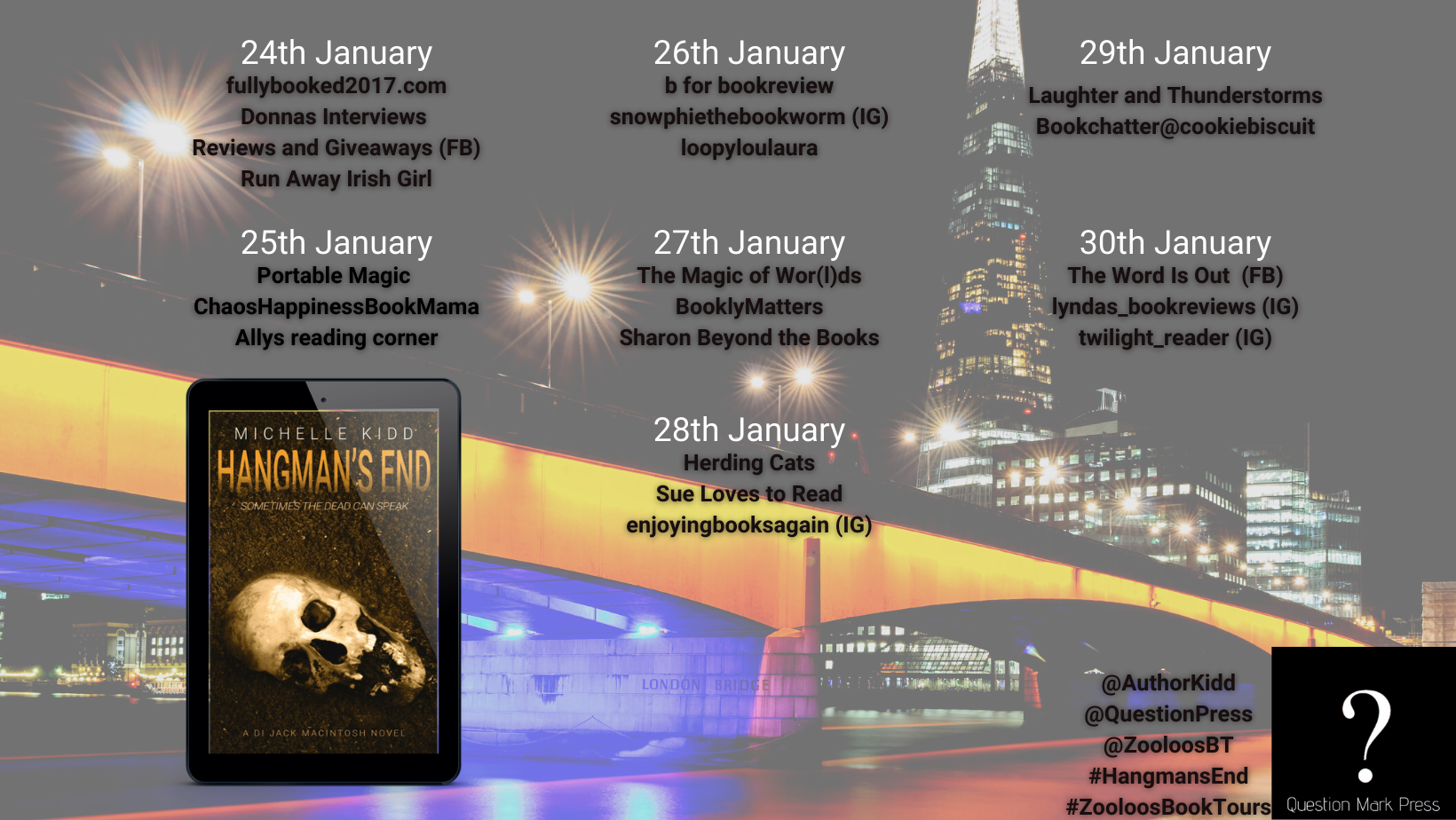
With two decades separating them, can the cases really be linked? Having an intense dislike for coincidences, Jack can’t let it go. And when evidence then emerges pointing to a 1989 cold case, Jack is transported back in time to a miscarriage of justice that has haunted him for quarter of a century – and back to a little girl he vowed never to forget.
As two cases turn into three, becoming more and more entwined, will the river finally give up its secrets? Maybe. Because sometimes the dead can speak.
My Review
This is not for the faint-hearted. Anything to do with children is always hard to read, so don’t say I didn’t warn you. But it is fiction after all.
DI Jack MacIntosh is back for another outing and this time it involves the body of a child. But while searching for evidence on the banks of the Thames beneath London Bridge, the team find more bones and a skull, which look like they have been buried for many years. Who do they belong to and how did they die?
Jack doesn’t believe in coincidences, so when other similarities are discovered, he starts looking for possible links. Initially there appear to be none, but start scraping the surface and together with DNA, profiling and modern forensics, the dead begin to reveal their secrets. So how are the two murders connected and is it the same killer?
We also have a couple of other stories ‘on the side’ so to speak. Jack’s younger brother Stuart ‘Mac’ MacIntosh is about to get married to Isabel Faraday who we met in book one, but we also have a lees savoury character – James Quinn – who Jack believes murdered his mother – it was assumed she committed suicide by hanging herself when Jack was four years old.
I know some of these back stories have run through the whole series, but don’t worry if you haven’t read them all or even any, you can still enjoy this as a standalone. I certainly enjoyed this one and I’ve become rather fond of Jack and his team.
Many thanks to @zooloo2008 for inviting me to be part of this blog tour.
About the Author
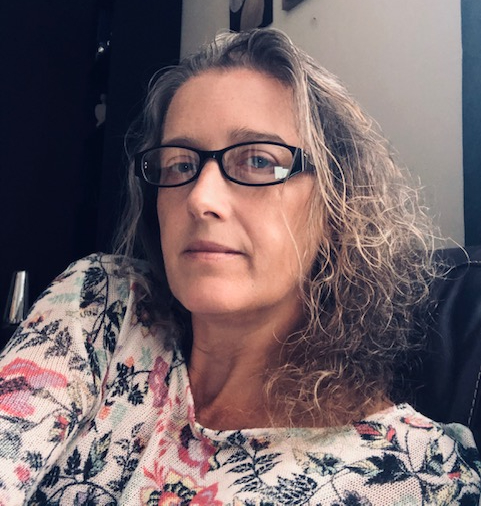
Michelle Kidd is a self-published author best known for the Detective Inspector Jack MacIntosh series of novels set in London. She has also recently begun a new series which is set in her home town of Bury St Edmunds in Suffolk – starring Detective Inspector Nicki Hardcastle.
Michelle qualified as a lawyer in the early 1990s and spent the best part of ten years practising civil and criminal litigation.
But the dream to write books was never far from her mind and in 2008 she began writing the manuscript that would become the first DI Jack MacIntosh novel – The Phoenix Project. The book took eighteen months to write, but spent the next eight years gathering dust underneath the bed.
In 2018 Michelle self-published The Phoenix Project and has not looked back since. There are currently four DI Jack MacIntosh novels, with a fifth in progress, and the first DI Nicki Hardcastle novel is due for release in August 2021.
Michelle now works full time for the NHS and lives in Bury St Edmunds, Suffolk. She enjoys reading, wine and cats – not necessarily in that order.
Follow her at:
Facebook: www.facebook.com/michellekiddauthor
Instagram: https://www.instagram.com/michellekiddauthor/
Twitter: https://twitter.com/AuthorKidd
Website : www.michellekiddauthor.com
Pre Order Links
Amazon UK – https://www.amazon.co.uk/Hangmans-End-Jack-MacIntosh-Book-ebook/dp/B09N1XXD4W
Amazon US – https://www.amazon.com/Hangmans-End-Jack-MacIntosh-Book-ebook/dp/B09N1XXD4W
+ Cornwall, crime fiction, Detective novel, fiction, hostage, kidnapping, murder, obsession, psycopath, review, serial killer, Sweden, thriller
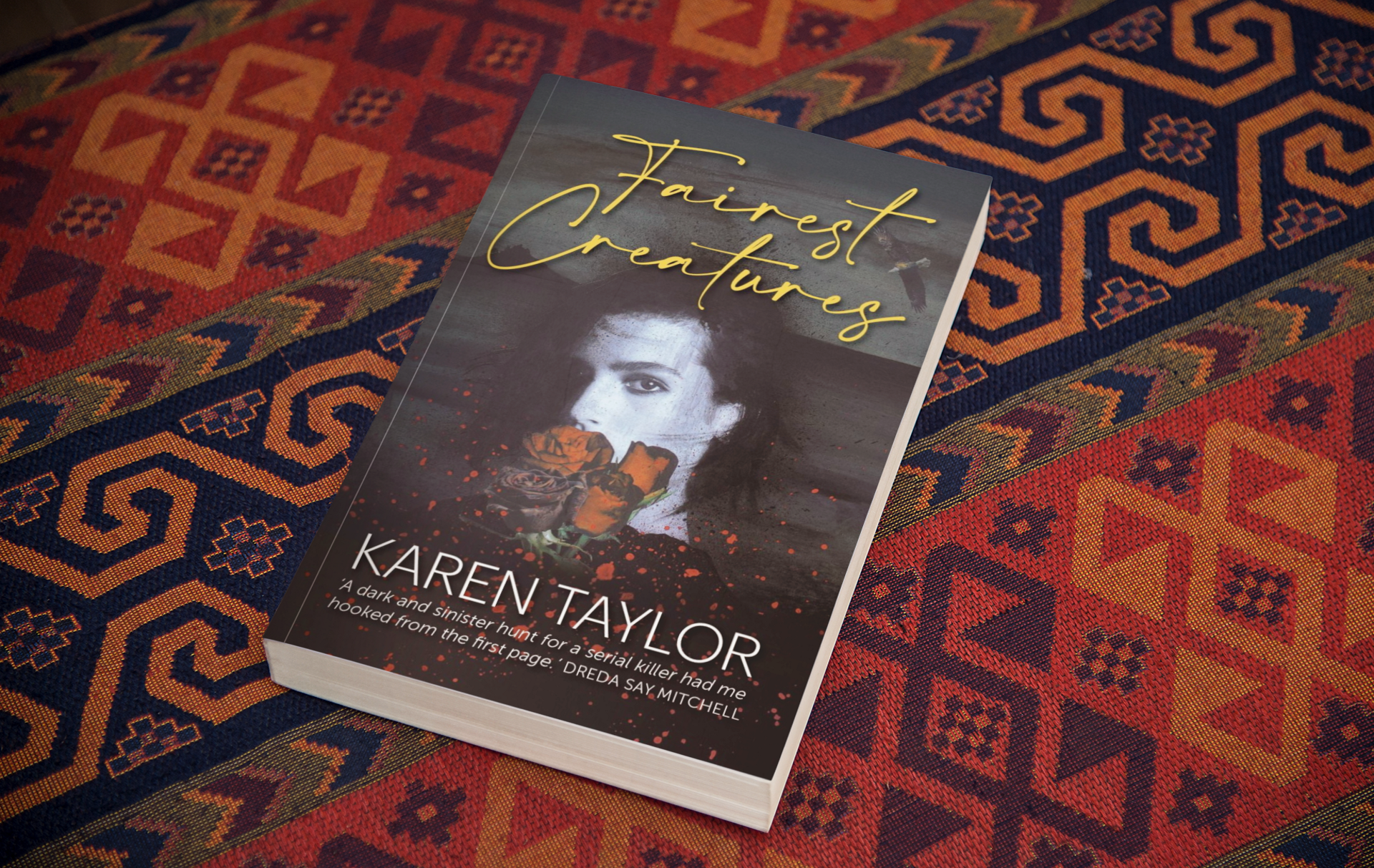
Fairest Creatures by Karen Taylor
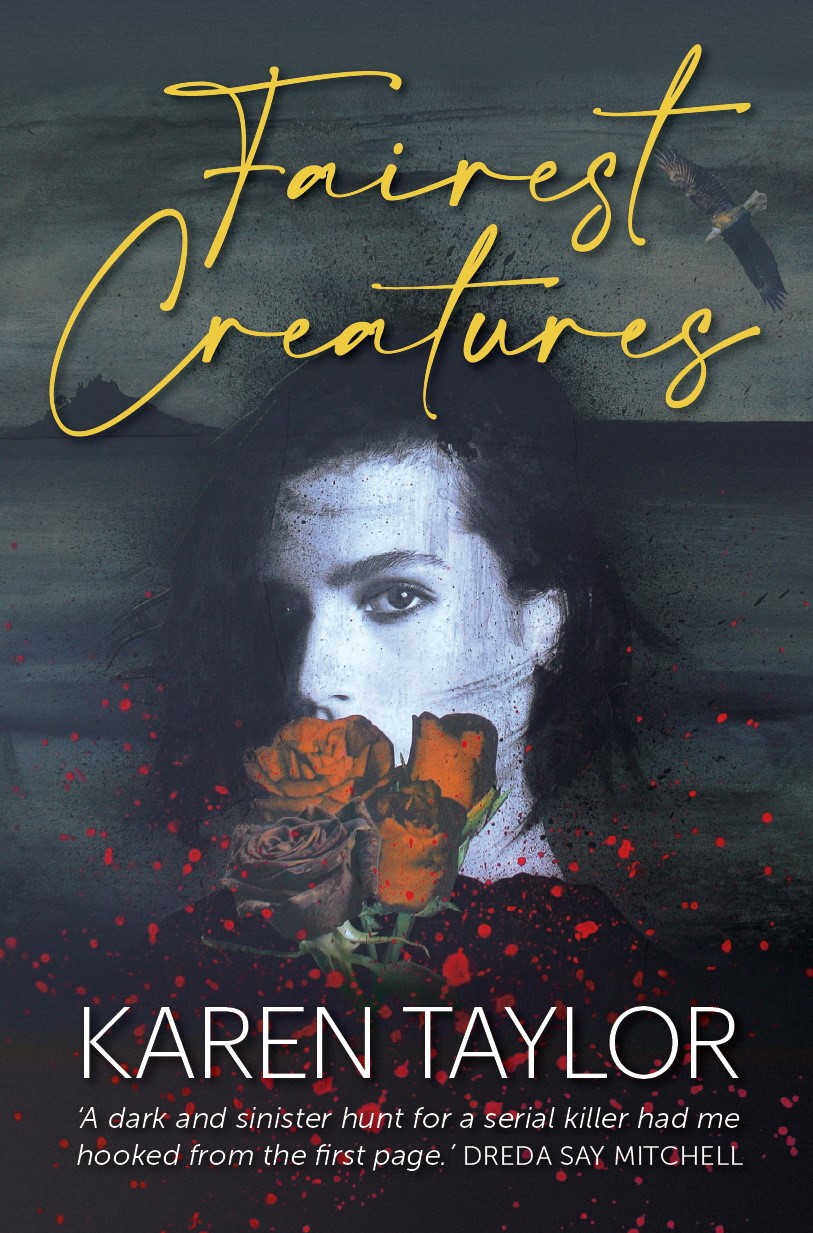
A serial killer’s dark obsession with the preservation of beauty sees him return to stalk the streets of Penzance in the summer of 2019. It’s 23 years since his first victims went missing, setting DI Brandon Hammett on the hunt for the Sleeping Beauty Killer.
A beautiful woman is being held captive in an unknown location. Although not physically injured, she is manacled to a chair in a darkened, sinister dining room. Her captor is polite but menacing. Her female companions, silent spectators.
#FairestCreatures @karen_taylor7 @leamingtonbooks #RandomThingsTours @annecater @RandomTTours #blogtour

When a glass box is found in Prussia Cove, containing a conch and the ear of a missing beauty, a murder investigation is launched. Is the Sleeping Beauty Killer back? Or is this a copycat killing? What’s clear is an evasive, clever killer is at large, presenting DI Brandon Hammett with his biggest challenge to date.
My Review
I read Fairest Creatures in three days. If I didn’t have to work, clean the house, wash up etc I would probably have read it in one sitting. It was so exciting. However, it’s very creepy, but that’s not surprising due to the subject matter.
It’s set in Cornwall where I spent many holidays as a child and later with my own children. Who would have guessed such a beautiful place would be playing host to a serial killer.
But this isn’t an ‘ordinary’ serial killer. No disposing of the bodies in shallow graves or acid baths. Our killer has other plans for his victims. The Sleeping Beauty Killer or SBK as he is known, first struck 23 years earlier, but he was never caught and no bodies were ever found. His victims were all women in their early thirties and were extremely beautiful.
So when a glass box is discovered in Prussia Cove, containing a conch shell and the ear of a missing woman, DI Brandon Hammett is involved in launching a murder investigation. Has the Sleeping Beauty Killer returned? Or is this a copycat killing? Initially everything points to this being the original SBK, but some things don’t fit.
We hear from the perspective of DI Brandon Hammett, but also from that of Julia, a beautiful widow, who is very wealthy and has started using online dating sites to meet a new man. Finally we hear from one of the victims and it’s a chilling read.
We are all waiting for the SBK or his copycat to make a mistake, to slip up, but he’s been too clever until now. This time will Brandon and his team manage to outwit him and at what cost? Fairest Creatures is very cleverly plotted with some interesting twists. I loved it.
Many thanks to @annecater for inviting me to be part of #RandomThingsTours
About the Author
Karen is a University of East Anglia alumni crime writer whose latest novel Fairest Creatures was longlisted for the 2020 Crime Writers’ Association Debut Dagger. Before turning to crime, Karen wrote a series of children’s books and short stories. Her middle grade Sci-Fi novel Turbulence was shortlisted at the Winchester Writers Festival, alongside a novella and a short story. Her YA thriller Off The Rails won her a place in the Dragon’s Den at the London Book Fair in 2016.
Born and based in London, Karen is also a journalist and editor with wide ranging experience, covering anything from business to lifestyle. She’s worked on trade, corporate and association publications, run international news teams, and contributed to newspapers and magazines including The Financial Times, The London Evening Standard, The London Magazine, The Independent, and The Far Eastern Economic Review. Her first thriller The Trade, published by Endeavour Press, was inspired by her globe-trotting years as a commodity markets reporter.

+ childhood, crime fiction, demon, fiction, friendship, horror, loss, murder, podcast, review, thriller
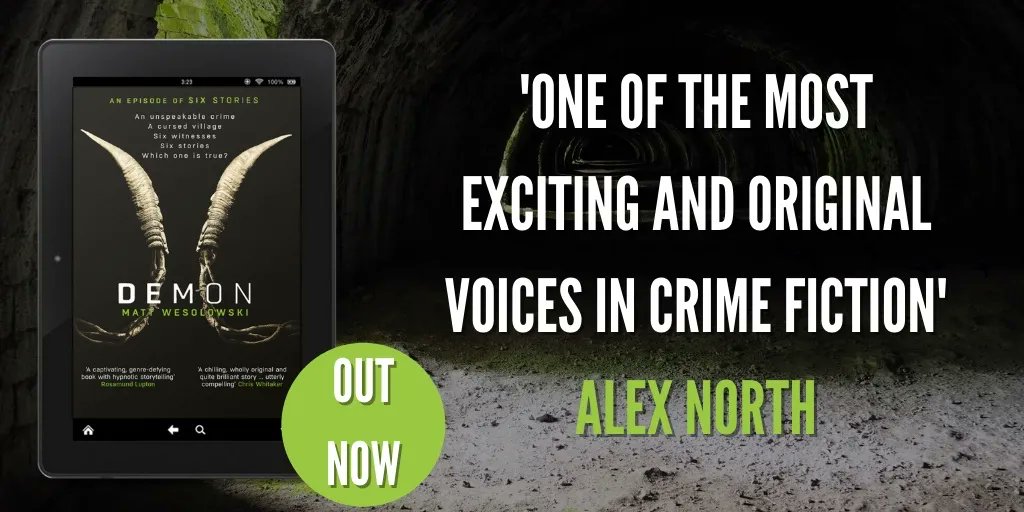
Demon by Matt Wesolowski
In 1995, the picture-perfect village of Ussalthwaite was the site of one of the most heinous crimes imaginable, in a case that shocked the world.
Twelve-year-old Sidney Parsons was savagely murdered by two boys his own age. No reason was ever given for this terrible crime, and the ‘Demonic Duo’ who killed him were imprisoned until their release in 2002, when they were given new identities and lifetime anonymity.
#Demon #SixStories @ConcreteKraken #RandomThingsTours @annecater @RandomTTours @OrendaBooks #blogtour

Elusive online journalist Scott King investigates the lead-up and aftermath of the killing, uncovering dark and fanciful stories of demonic possession, and encountering a village torn apart by this unspeakable act.
And, as episodes of his Six Stories podcast begin to air, King himself becomes a target, with dreadful secrets from his own past dredged up and threats escalating to a terrifying level. It becomes clear that whatever drove those two boys to kill is still there, lurking, and the campaign of horror has just begun…

My Review
I listen to podcasts, usually audio plays, but last year I listened to a podcast called The Battersea Poltergeist and the format of Demon reminded me of this. A number of people are interviewed including people who were there, but are the supernatural happenings real or is it some kind of mass hysteria? And of course there always those who wish to profit financially for giving their view, as well as those who have an ‘opinion’ (we know the kind of people we are talking about).
In Demon we have a mix of interviewees, though of course we don’t get to hear from Robbie and Danny, the killers of 12-yer-old Sidney Parsons, as they were incarcerated and given new identities on release (rather like the killers of James Bulger). The killers in this case are a tiny bit older (ie about 12 years old, but the victim was their own age and had learning difficulties.
The podcast is the brainchild of Scott King who claims to ‘rake over old graves’ and he is criticised openly by many who believe he is cashing in on the misery of the victim’s family. He sees it differently however, but then he would, wouldn’t he.
The most interesting side to this is the idea that the fictitious village of Ussalthwaite is in some way haunted, possibly by a witch who lived in the 1600s and cursed it. There is ‘evidence’ of dark shadows and demonic possession, but as I said earlier, this is often the result of a kind of mass hysteria. Suddenly everyone has a tale to tell of mysterious goings on, swinging ropes and small black stones appearing again and again.
I love this kind of book. Haunting, creepy and often scary, it’s right up my street. The idea of telling it as a podcast is very original and gave it an unusual twist. It allowed us to hear different ‘voices’ – from Scott King himself and also from people who were there, in their own words. Very clever and often unsettling.
Many thanks to @annecater for inviting me to be part of #RandomThingsTours
About the Author
Matt Wesolowski is an author from Newcastle-Upon-Tyne in the UK. He is an English tutor for young people in care. Matt started his writing career in horror, and his short horror fiction has been published in numerous UK- an US-based anthologies such as Midnight Movie Creature, Selfies from the End of the World, Cold Iron and many more. His novella, The Black Land, a horror story set on the Northumberland coast, was published in 2013. Matt was a winner of the Pitch Perfect competition at Bloody Scotland Crime Writing Festival in 2015. His debut thriller, Six Stories, was a bestseller in the USA, Canada, the UK and Australia, and a WH Smith Fresh Talent pick, and TV rights were sold to a major Hollywood studio. A prequel, Hydra, was published in 2018 and became an international bestseller, Changeling (2019), Beast (2020) And Deity (2021) soon followed suit.

Orenda Books is a small independent publishing company specialising in literary fiction with a heavy emphasis on crime/thrillers, and approximately half the list in translation. They’ve been twice shortlisted for the Nick Robinson Best Newcomer Award at the IPG awards, and publisher and owner Karen Sullivan was a Bookseller Rising Star in 2016. In 2018, they were awarded a prestigious Creative Europe grant for their translated books programme. Three authors, including Agnes Ravatn, Matt Wesolowski and Amanda Jennings have been WHSmith Fresh Talent picks, and Ravatn’s The Bird Tribunal was shortlisted for the Dublin Literary Award, won an English PEN Translation Award, and adapted for BBC Radio Four ’s Book at Bedtime. Six titles have been short- or long-listed for the CWA Daggers. Launched in 2014 with a mission to bring more international literature to the UK market, Orenda Books publishes a host of debuts, many of which have gone on to sell millions worldwide, and looks for fresh, exciting new voices that push the genre in new directions. Bestselling authors include Ragnar Jonasson, Antti Tuomainen, Gunnar Staalesen, Michael J. Malone, Kjell Ola Dahl, Louise Beech, Johana Gustawsson, Lilja Sigurðardóttir and Sarah Stovell.
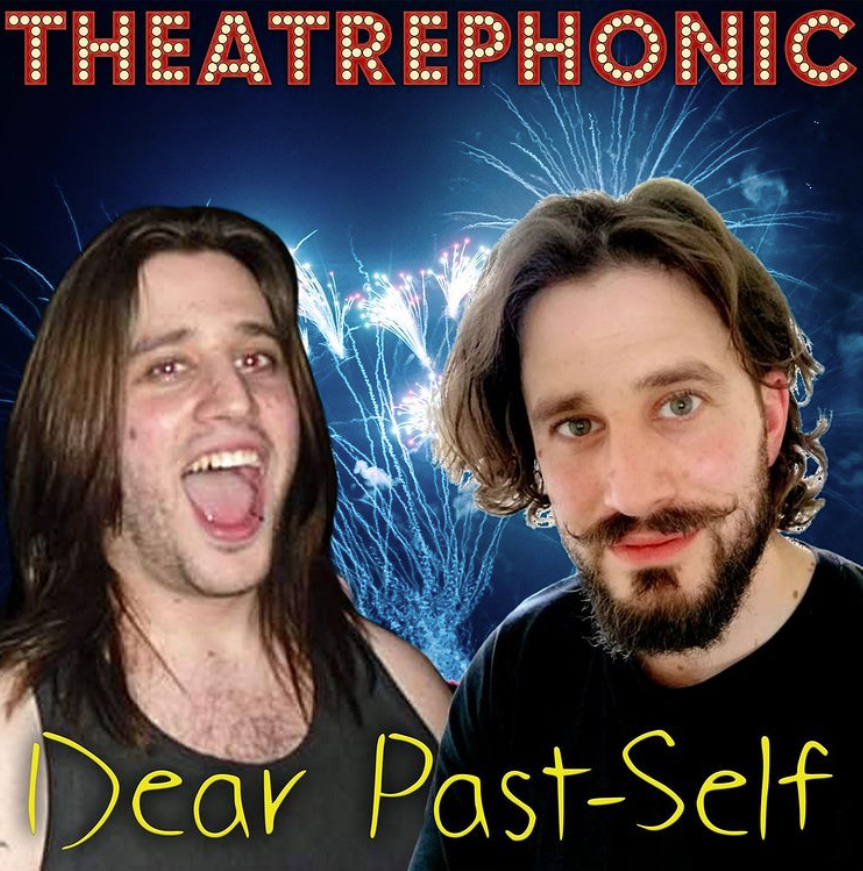
An exploration into hindsight and mental health.
I’m not going to comment or review. Please just listen.
This episode contains discussion of depression and suicide. It may not be suitable for all audiences. Listener discretion is advised. If you feel like you need help, please reach out. A list of UK based help services are listed below.** It also contains a public Q & A session usually reserved for patrons.
Written and performed by Ashley Shiers
Produced by Cat on a Piano Productions
Music:
Morning Joe by Patino
Passing Time by Kevin MacLEod
The Theatrephonic Theme tune was composed by Jackson Pentland
Performed by
Jackson Pentland
Mollie Fyfe Taylor
Emmeline Braefield
Cat on a Piano Productions produce and edit feature films, sketches and radio plays.
Their latest project is called @Theatrephonic, a podcast of standalone radio plays and short stories performed by professional actors. You can catch Theatrephonic on Spotify and other platforms.
For more information about the Theatrephonic Podcast, go to catonapiano.uk/theatrephonic, Tweet or Instagram @theatrephonic, or visit their Facebook page.
And if you really enjoyed this week’s episode, listen to Theatrephonic’s other plays and short stories and consider becoming a patron by clicking here…
**List of Resources:
Samaritans.org: 116 123
Thecalmzone.net : 0800 58 58 58 – 5pm to midnight every day
sossilenceofsuicide.org/what-where-why : Call 0300 1020 505 – 8am to midnight every day
papyrus-uk.org/hopelineuk : for people under 35 – Call 0800 068 41 41 – 9am to midnight every day or Text 07860 039967
+ crime fiction, dark humour, Detective novel, fiction, murder, murder mystery, police corruption, police drama, police procedural, review, thriller, wales
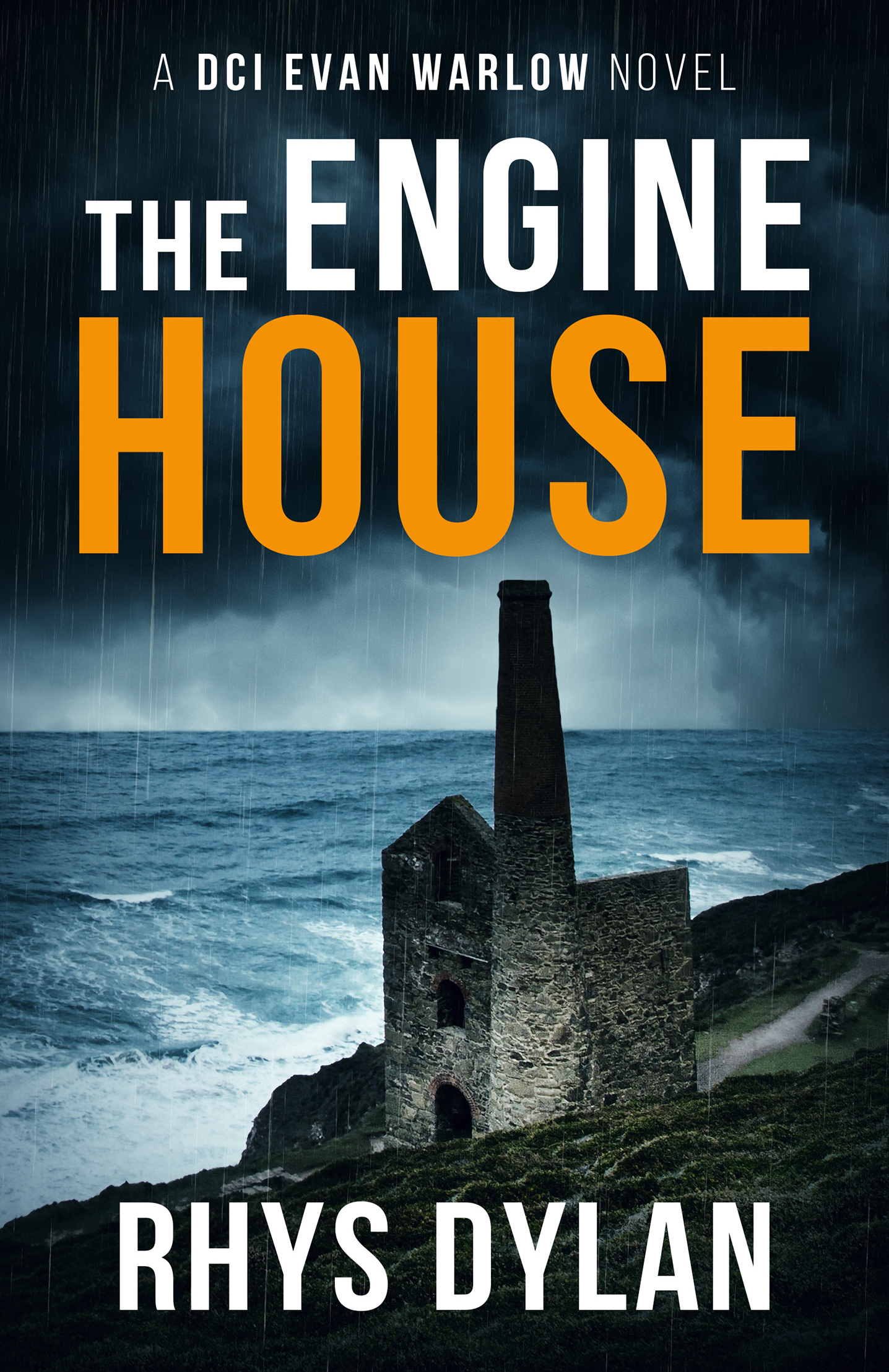
The Engine House by Rhys Dylan
You can bury the bodies, but you can’t hide the truth.
When a landslip on Pembrokeshire’s stunning coastal path reveals the harrowing remains of two bodies, ex-DCI Evan Warlow’s quiet retirement is shattered.
As the original investigator for the two missing persons eight years before, Evan is recalled to help with what is now a murder inquiry. But as the killer scrambles to cover up the truth, the body count rises.
#TheEngineHouse @RdylanBooks #Wales @Zooloo’s Book Tours @zooloo2008 #ZooloosBookTours #blogtour

Working with a new young team, Warlow peels away the layers to reveal the dark and rotten heart that beats beneath the chocolate box tranquillity of an area renowned for its quiet beauty.
But does he still have what it takes to root out the monstrous truth before all hell lets loose?
My Review
The Engine House is a very tightly written story, put together by someone who knows how to write a chilling tale with plenty of twists and turns. Lots of detail but no waffle. Everything is relevant. And very entertaining – the sarcasm and banter between the police officers had me laughing out loud. I was surprised to discover therefore that this is the author’s first venture into this type of crime thriller, though he has written other books in different genres.
I really enjoyed this book and certainly will be interested in reading more in the series. The character of DCI Warlow is hard-bitten, cynical and often very funny. But he carries a dark secret and only his senior officer knows what it is.
Eighteen months ago he took early retirement, but when a storm causes the cliff to collapse into the sea and the bodies of two missing persons are revealed, he is asked to come back and help with the investigation. But this isn’t just a missing persons cold case. It turns into something far more complicated, sinister and involved (not that two dead bodies stuffed in a crevice isn’t sinister enough).
In the meantime, we find out that the missing persons – the Pickerings – lived in a house situated between the farm belonging to the Gowers and the deserted engine house perched on the edge of the cliffs. The Pickerings’ house is now occupied by Izzy and her partner Marcus, who have moved here from London after Marcus’s stressful job became too much for him. But is it all peace and quiet out here in the Welsh hills? Well it was until the bodies were found.
Towards the end I really couldn’t put this down – and I don’t mean that in a cliched way. I really couldn’t. A brilliant, cleverly-constructed murder mystery with more depth than you normally expect from a police drama.
Many thanks to @zooloo2008 for inviting me to be part of this blog tour.
About the Author
Rhys Dylan was born and grew up in West Wales, went away to university in London, but came back to live and work in his country of birth. Along the way he indulged his imagination by writing books for children and adults under various pen names and in a variety of genres.
2021 sees him turning his hand once more to crime with DCI Evan Warlow in the Black Beacons crime series. Spread over 500 square miles, the Brecon Beacons mountain range sits like a giant doorstop at the heads of the South Wales valleys. To the north and west, they nestle in the crook of the ancient kingdoms of Powys and Dyfed, stretching from the eastern Marches to the wild southwestern coast. Many of the mountain peaks in the range have names. Others are simply referred to as black. It is in this timeless landscape that the books are set.
Rhys lives on the edge of the Beacons with his wife and a dog that doesn’t like the rain.

Follow him at:
Instagram : https://www.instagram.com/rhysdylanbooks/
Facebook: https://www.facebook.com/Rhysdylanbooks
Twitter: https://twitter.com/RdylanBooks
Website: http://www.rhysdylan.com/
Buy Links
Amazon UK https://www.amazon.co.uk/Engine-House-Beacons-Mystery-Thriller-ebook/dp/B09P3S8FH7
Amazon US https://www.amazon.com/Engine-House-Beacons-Mystery-Thriller-ebook/dp/B09P3S8FH7/


